

All about high tunnels: On-farm abiotic conditions research
Understanding temperature swings, humidity and shoulder-season gains in high tunnel production. Read on for best practices.





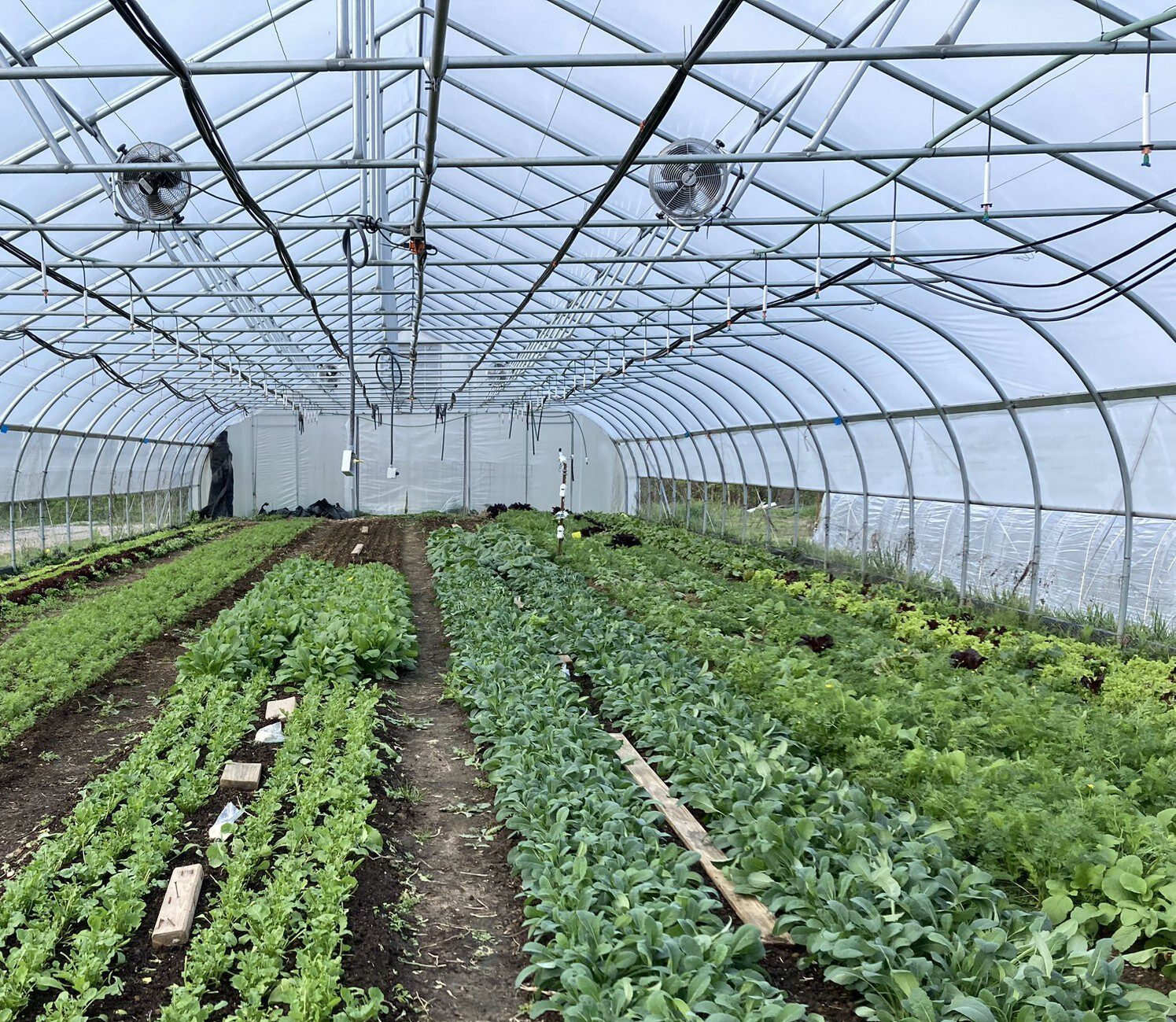
High tunnels (polytunnels, hoop houses) are a rudimentary form of protected culture that allows for season extension but can also increase stress from abiotic conditions if they are not carefully managed.
To better understand how high tunnels buffer outside conditions, we conducted an extensive on-farm study of abiotic conditions in 36 high tunnels located in Indiana, Illinois and New Hampshire. We examined how each structure moderated the external environment where growers had implemented protected culture.
While we anticipated that urban farms might experience warmer overall temperatures than their more rural counterparts, the high tunnel temperature compared to its surroundings remains consistent. On average, daily temperature inside a high tunnel was 3° F warmer than outside, regardless of geographic location among the temperate regions we studied. This finding is consistent with general Extension guidance on the benefits of high tunnels.
Temperature fluctuations
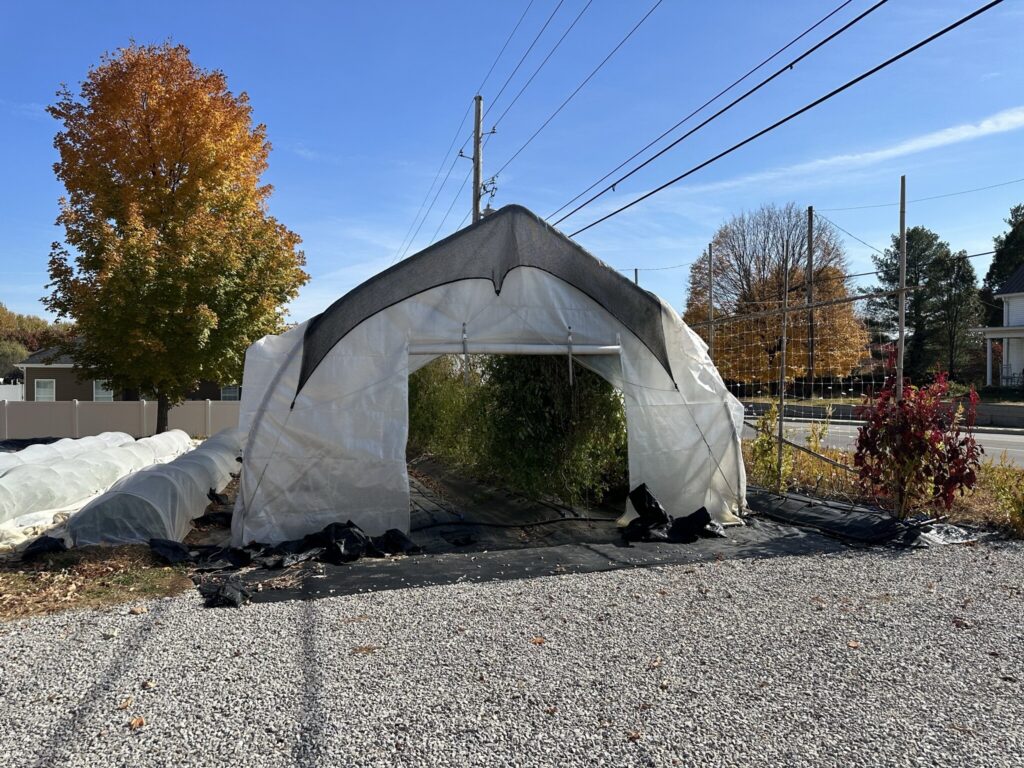
All photos courtesy of McCarter and Ingwell.
Temperatures inside high tunnels are completely dependent on solar radiation and ventilation. During cooler parts of the year, tunnels can quickly warm under solar radiation. In our multi-year study, we recorded daily temperature swings of up to 40° F inside tunnels in early February. However, these temperatures quickly dissipate at night when surrounding air temperatures rapidly decrease, often below freezing. While some cool-season crops can tolerate low temperatures, large temperature swings within a 24-hour period can be stressful on the plants.
For these crops, it may be more appropriate to lower the temperature threshold at which the tunnel is vented, maintaining a cooler but more stable air temperature during cold sunny days.
Adding supplemental heating is a more costly option, but it reduces rapid overnight cooling, thus providing a more suitable growing environment for a larger variety of crops. Our data shows that supplemental heating can raise inside temperatures an additional 2° F over an unheated tunnel.
RELATED – Veg Connections: Seedless cucumbers in high tunnels
During summer months, the advantage high tunnels offer largely disappears. From June through September, tunnel temperatures track closely with outdoor conditions. Without good airflow, temperatures can quickly reach levels that are detrimental for plant production. In the heat of the summer growing season, even when tunnels are completely ventilated, we recorded temperature average extremes ranging from 57° F to 103° F. These extremes can trigger flower and fruit abortion and limit productivity at a time when field production is at its peak.
Summer high tunnel management shifts toward heat and humidity mitigation through ventilation. Side walls, end walls, gable and ridge vents, and shade cloth all help move air through the tunnel and bring temperatures down. If you’re running crops through the summer, it’s worth evaluating your ventilation setup before the season starts rather than scrambling in July.
Alternatively, to manage the extreme heat, you may choose to forgo yield while your outdoor crops are flourishing and instead focus on maintaining plants to optimize late-season yields when outdoor production wanes.
Making the most of shoulder seasons
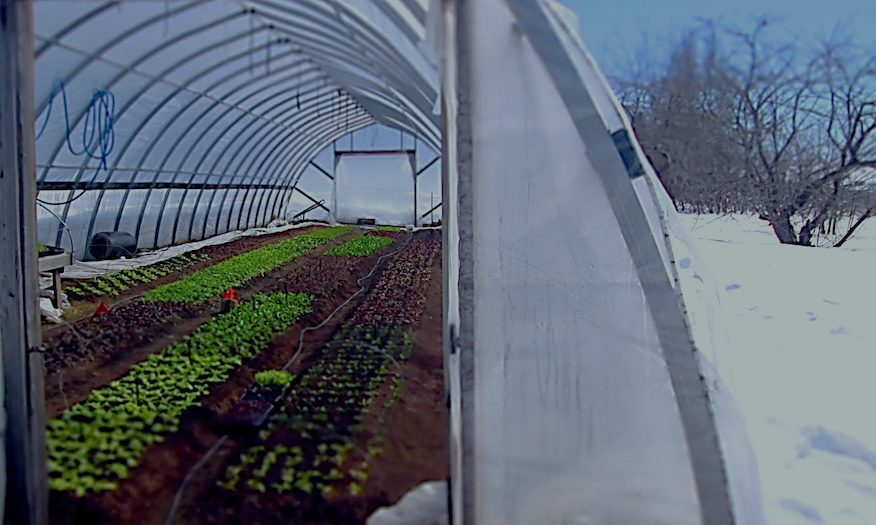
Shoulder seasons are where high tunnels really earn their keep.From January through May and again from October through December, tunnels accumulate significantly more growing degree days. This allows for an earlier planting time and a longer season, especially for cool-season crops like lettuce, spinach and most brassicas.
While air temperatures inside tunnels can swing wildly, soil conditions remain far more stable. Across our study sites, soil temperatures reached or fell below freezing only about five days per year. For root health and early transplant establishment, that stability matters more than many growers realize.
Humidity
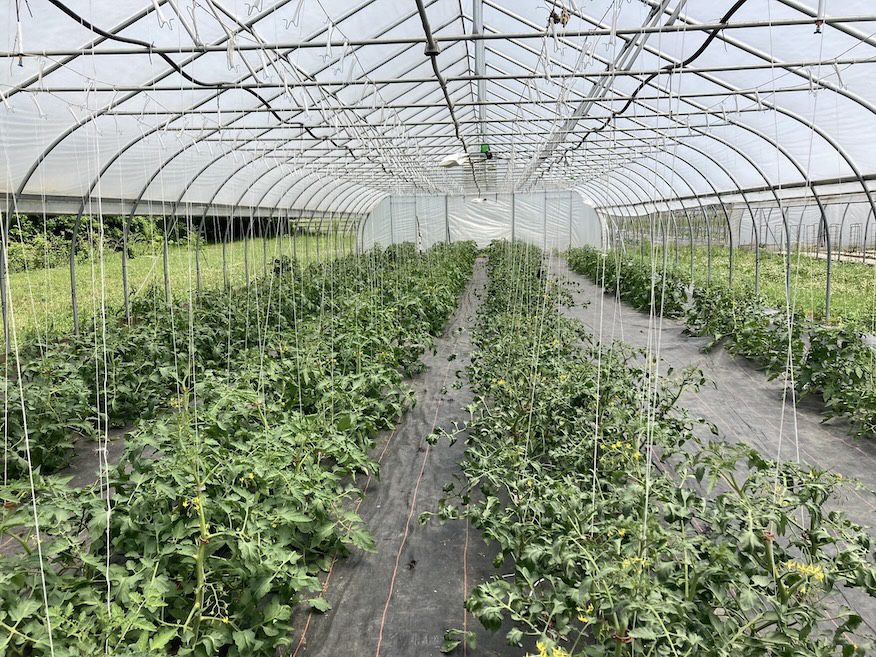
Relative humidity inside high tunnels averaged about 3% higher than outside conditions year-round.
During the winter, that increase in relative humidity rarely causes issues. During the summer, however, it can lead to conditions where fungal diseases take hold more easily, particularly when ventilation is inconsistent. It’s worth keeping humidity in mind when you’re making decisions around ventilation, plant density and pruning or trellising strategies for summer crops.
Humidity and temperature management both depend on proper airflow. A well-ventilated tunnel helps control both, and monitoring tools for humidity and temperature allow you to manage conditions more effectively.
The variable that matters most: management
Perhaps the most consistent finding across our study was that farmer management choices had a greater influence on tunnel microclimate than location or surrounding landscape.
Urbanization and regional factors mattered less than whether growers used supplemental heat, how they set up ventilation or the type of plastic they chose to cover their tunnels. Double-layer plastic alone raised minimum nighttime temperatures by nearly 2° F. Automatic ventilation produced more stable conditions than manual systems, likely because they responded in real time to what was happening in the tunnels.
The management decisions made each season will ultimately influence a high tunnel’s abiotic growing environment more than its geographic location.
Marlo G. McCarter is a postdoctoral research assistant in entomology at Purdue University. She earned her Ph.D. from the University of California Irvine, in 2024. Laura L. Ingwell is an associate professor of entomology at Purdue University. Her research focuses include host plant-insect-nematode interactions, insect science education and pest management.