

Interest in hydroponics, aquaponics growing in Virginia


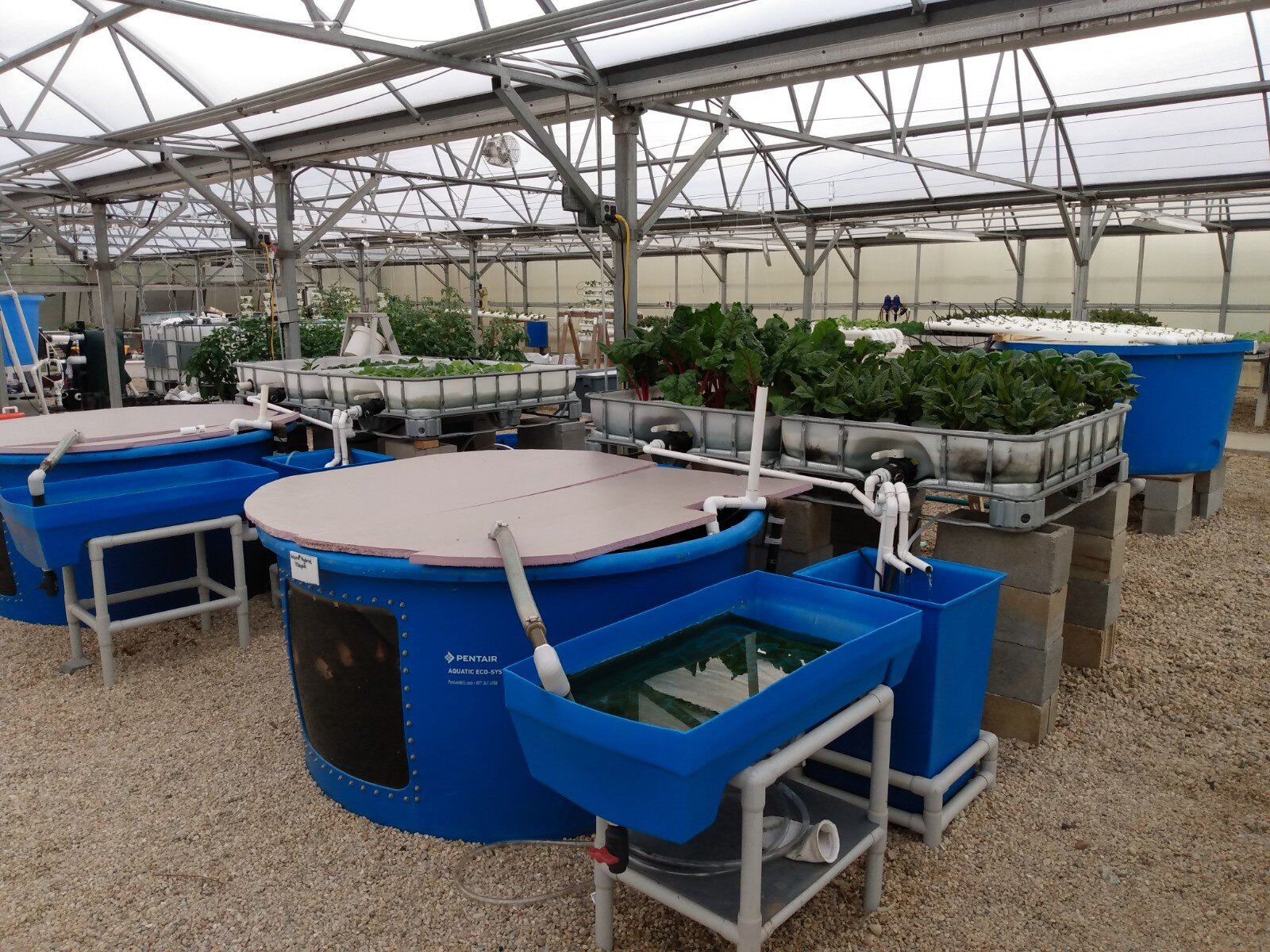

A big aquaponic tank.
A Virginia Cooperative Extension (VCE) horticulture specialist at Virginia State University (VSU), Mullins frequently gives workshops on these growing methods and fields questions about hydroponics and aquaponics from the general public, especially since the beginning of the COVID-19 pandemic, when interest in soil-less growing increased. “We have a lot of people that are interested in these two areas. We get calls from both hobbyists and homeowners interested in using these techniques, as well as larger farmers. They want some aspect of help from us, and we try to accommodate them and help them as much as we can.”
Mary Ellen Taylor, known as “The Lettuce Lady,” owns Endless Summer Harvest in Purcellville, Virginia, where she grows lettuce, leafy greens and herbs.
Over the past 20 years, Taylor said she’s learned a lot about hydroponics from Mullins and at VSU workshops. “Chris is generous with his time. I’ve counted on him to advise me, and I’ve attended many of his seminars, which are packed because people want to know they can do this.”
Hydroponics is big business. According to a report published in January by the research firm Markets and Markets, the $9.5 billion hydroponics industry is expected to double over the next five years. Typically tomatoes, lettuce, fresh herbs, peppers, cucumbers and strawberries sold at grocery stores are grown hydroponically.
In Virginia, there are already signs of growth. Since July 2020, Governor Ralph Northam has announced nearly a half dozen expansions of existing hydroponic operations and new start-ups around the Commonwealth that extend from Virginia Beach to Richmond to Fairfax County. Many of these companies grow leafy greens, fresh herbs and vegetables and plan to invest more than $79 million combined in Virginia’s economy, creating over 200 new jobs.
Another thing pushing the hydroponics industry is marijuana, she added. “That’s all grown hydroponically, and that is making the industry jump. Some of the supplies I need for my food crops are often backordered because the marijuana industry is just gobbling them up.”
Hydroponic crops are usually grown in greenhouses, but more of these operations are being started in warehouses with artificial lighting as technology has made lights less costly and brighter for growing, Mullins said. Commercial systems involve a lot of modern technology that can be very expensive, but hydroponic and aquaponic systems are not out of reach for small farmers and hobby growers.

Chris Mullins
Mullins said one of the goals he’s concentrated on since the pandemic is building Do-It-Yourself hydroponic and aquaponic systems that can be constructed out of basic materials and supplies found at local hardware stores or online. “These models can help local farmers design their own systems that are more cost effective.” At the vegetable greenhouse at VSU’s Randolph Farm, Mullins has set up both small-scale and large-scale hydroponic and aquaponic systems. Some smaller systems are designed so that they can be built for under $500.
Mullins is studying what crops grow best with each method, and recently applied for several grants that will help him further the study. He is also exploring what species of fish provides the best nutrients to what variety of crops using aquaponics. “In two aquaponic systems, we’re growing bok choy and swiss chard. We got tilapia in a tank, and we’re using the fluid from the fish tank to feed the plants, which help clean the water. In the hydroponic systems, we’re growing tomatoes, cucumbers and peppers.”
If funding is approved, Mullins, who is collaborating with other land-grant universities, will develop a series of videos to help small farmers design and maintain their systems, address production issues and ensure food safety and optimum environmental conditions.
Prior to the pandemic, Mullins regularly gave demonstrations at the greenhouse and talks at schools around the state. COVID restrictions limited visits to the farm, but gave him an opportunity to combine hydroponic and aquaponic systems, which had previously been separate, into one greenhouse.
“This expanded our ability to have more demonstration type systems out at the farm so now we have several systems in operation for people to see once the farm is fully open again.”
All around the greenhouse are lush green plants, evidence that hydroponic and aquaponic methods can produce healthy crops and revenue for small farmers.
“Hydroponics and aquaponics are appealing enterprises, and the expansion of this industry in the state will likely fuel more interest especially among small farmers, hobby growers and homeowners,” Mullins added. “In Virginia, I think we’re going to see the biggest growth in hobby growers, judging from the amount of requests we get for information.”
Taylor said she appreciates what she’s learned from Mullins and VSU through the years. “I think VSU, far more than other universities in the Commonwealth, has really stepped up and stepped forward, and is the leader in the academics of hydroponics.”
– Virginia Cooperative Extension