

MSU Extension guidance for navigating volatile input markets
As growers finalize input buys, Michigan State experts share practical strategies to help protect margins this season.





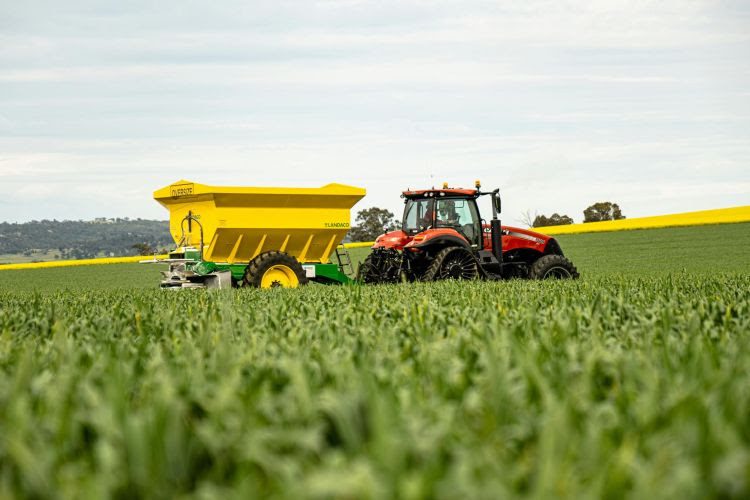
According to Jonathan LaPorte with Michigan State University Extension, volatile markets and tighter farm finances are making spring purchasing decisions more complex for many operations.
In a recent advisory, MSU Extension farm management educators said understanding supply-and-demand trends and evaluating farm cash flow can help growers make more informed input purchasing decisions as spring approaches. While many farms typically make input purchases earlier in the year, fluctuating commodity prices and tight margins have led some producers to delay purchases into the spring buying window.
What’s going on with input prices?
Global supply factors continue to influence fertilizer markets. Reduced phosphate supplies and geopolitical tensions affecting production and export regions could contribute to price volatility heading into the planting season. Nitrogen supplies are considered relatively stable because a large share is produced domestically, though disruptions to international production could still impact availability and pricing.
Potassium markets face a different dynamic. Much of the United States’ supply is imported, with Canada accounting for the majority of those imports. Any potential changes to trade policies affecting cross-border fertilizer movement could influence costs for growers in the coming months.
Input costs beyond fertilizer also remain sensitive to global trade conditions. Many crop protection products rely on imported active ingredients, and tariffs on agricultural trading partners have contributed to price increases for certain pesticides.
Purchasing advice for growers
Growers should also consider prioritizing large-volume purchases and evaluating available cash flow, including operating loans or crop sales, before committing to purchases. In addition, spreading purchases across multiple transactions may help reduce risk if market prices fluctuate during the buying season.
On-farm storage can also play a role in purchasing strategies. Having storage capacity allows farms to take advantage of early pricing opportunities and secure inputs before supplies tighten later in the season.
MSU Extension recommends developing an input purchasing plan that aligns with a farm’s crop plan and financial resources. Such plans help growers remain proactive and intentional in securing inputs at competitive prices while managing market uncertainty.
The organization also offers decision-support tools to help producers compare fertilizer and pesticide options and evaluate costs across different production systems, including versions tailored for fruit and vegetable operations.