

Maryland Extension: Spring scouting checklist for specialty crop growers
Learn what specialty crop growers should monitor now, including flea beetles, Colorado potato beetles, maggots and disease risks.





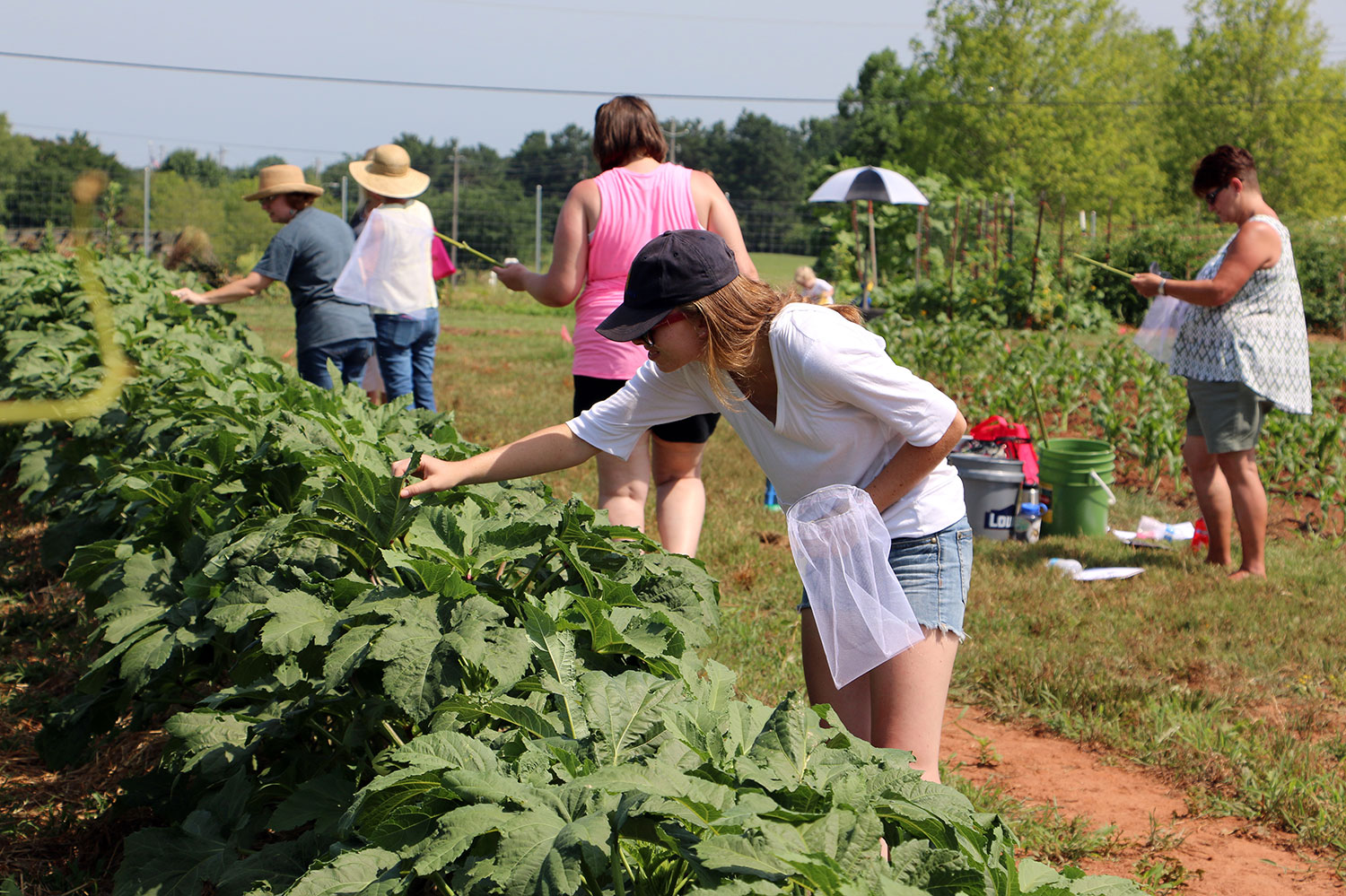
As temperatures warm across the country, University of Maryland Extension vegetable specialist Veronica Yurchak says growers should be out making the rounds and actively scouting fields for early-season insect and disease pressure. Yurchak adds timely monitoring can help farmers prevent virus and pest outbreaks and protect crop quality and yields throughout the spring production season.
Cole crops
Scout regularly for imported cabbageworm, diamondback moth and other caterpillar pests. Cabbage white butterflies are already active, signaling the start of worm activity in cole crops. Young plants can tolerate up to a 20% infestation threshold, while thresholds tighten if cross-striped cabbageworm is present. Flea beetles also remain active during cool spring weather, causing characteristic “shothole” feeding damage. Organic growers may consider Bacillus thuringiensis products for caterpillar management and Entrust for flea beetle suppression.
Potatoes
Colorado potato beetles are becoming active as temperatures climb. Check fields — especially those without at-plant insecticide protection — for adults and bright orange egg masses on leaf undersides. Treatment thresholds are approximately one adult per stem or 50 adults per 50 stems.
Strawberries
Monitor strawberries closely for tarnished plant bugs, thrips and mites. To scout for tarnished plant bug nymphs, beat flower clusters over white paper or black plastic mulch and count nymphs present. Disease risk models are also indicating favorable conditions for botrytis and anthracnose in some regions, making continued disease monitoring important during bloom and fruit set.
Alliums
Allium leafminer activity has been reported throughout much of the state. Look for characteristic egg-laying punctures and begin control programs promptly when activity is detected. Onion maggot activity is also increasing as growing degree day thresholds are reached.
Snap beans & maggot pests
Seedcorn maggot pressure has been especially high this spring, particularly in cool, wet soils and recently tilled fields rich in undecomposed organic matter. Since no rescue treatments are effective once maggots are present, preventive measures such as treated seed, in-furrow insecticides, crop rotation, and row covers are critical. Organic growers may also consider beneficial nematodes or entomopathogenic fungi for suppression.
Asparagus
Asparagus beetles are now active and laying eggs on emerging spears. Scout multiple locations throughout the field during sunny afternoons when beetles are most active. Treatment may be warranted when 10% of spears are infested with beetles or when eggs are found on 1–2% of spears.
Consistent scouting and early intervention remain the best tools for managing spring pest pressure while preserving beneficial insects and reducing unnecessary pesticide applications.
Read the full May 2026 Scouting Tips bulletin over at Maryland-Extension’s website.