

Tomato growers: MSU says the time is now to scout for mites






Michigan State University (MSU) Extension is encouraging tomato growers to carefully diagnose mite-related issues before implementing control measures, noting that different mite species can produce similar symptoms but require different management approaches.
According to an MSU Extension article by vegetable specialist Zsofia Szendrei, several mite species can affect tomato crops, including two-spotted spider mites and tomato russet mites. Early identification is critical because infestations often begin with subtle symptoms and can escalate rapidly under hot, dry conditions.
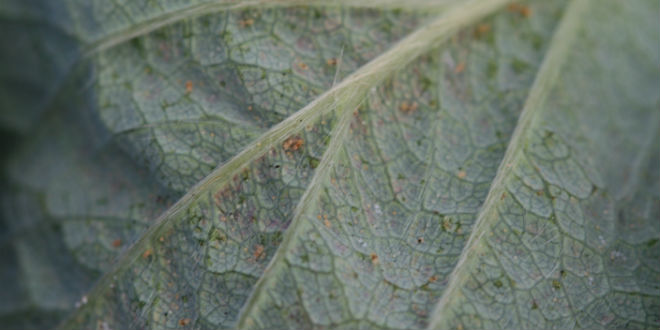
Spider mites typically feed on leaf tissue, causing stippling, bronzing and reduced plant vigor. Heavy infestations may also produce visible webbing. Tomato russet mites are much smaller and more difficult to detect, often causing bronzing of stems and leaves, leaf curl and a decline in plant health.
MSU Extension recommends routine scouting, especially during periods of environmental stress that favor mite development. Growers experiencing unexplained bronzing, yellowing or leaf deterioration should consider mite activity as a possible cause and use magnification tools when necessary to confirm pest presence.
Integrated pest management strategies remain the preferred approach. Extension specialists advise monitoring populations closely, preserving beneficial insects when possible and selecting control measures based on the specific mite species identified.
Proper diagnosis can help growers avoid unnecessary pesticide applications while improving control effectiveness and protecting crop yields.
Be sure to check out the full article as it contains information on common mite infestation symptoms (Table 1) and a breakdown of miticide active ingredients (Table 2) available to tomato growers this season.
Source: Michigan State University Extension, “Diagnosing mite problems in tomatoes,” by Zsofia Szendrei.