

Houston, we have a pepper





Recently, the four chile pepper plants growing aboard the International Space Station in the Advanced Plant Habitat (APH) bore fruit – several peppers, in fact.
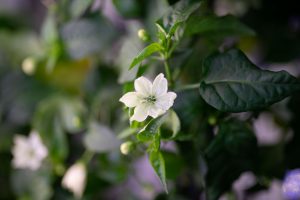
A unique feature of the APH is that it can be controlled remotely. To pollinate the flowers in orbit, the team at NASA’s Kennedy Space Center instructed APH to run its fans at variable rates to create a gentle breeze in microgravity to agitate the flowers and encourage the transfer of pollen. The space station crew also provided assistance by hand pollinating some of the flowers.
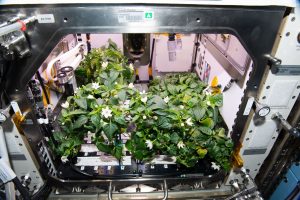
The average length for this type of pepper is just over three inches in ground tests. Hatch chile peppers are a mild heat pepper that starts out as green and will ripen to red over time, but it’s unknown what effect microgravity will have on the length to which they grow and their potency.
Astronauts will perform two harvests this year – one at 100 days in late October, and one at 120 days in early November. At those times, astronauts will sanitize the peppers, eat part of their harvests, and return the rest to Earth for analysis.