

2026 VGN Pest & Disease Survey report
The annual VGN Pest and Disease Survey highlights long‑standing threats and emerging worries about invasive pests and diseases.





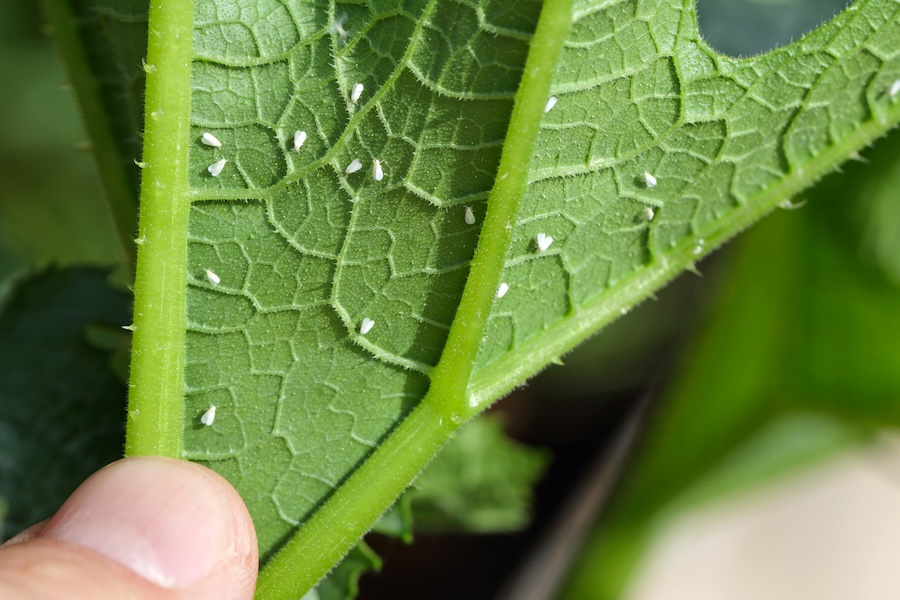
Results from the annual Vegetable Growers News pest and disease survey highlight mounting pressure from long‑standing threats and emerging worries about invasive pests and diseases, along with ongoing questions about how best to manage problems amid rising costs and tightening margins.
The survey reflects a broad mix of fruit and vegetable production, with respondents growing everything from apples, berries and stone fruit to tomatoes, cucurbits, brassicas and leafy greens.
Persistent pests, rising pressure
Across crops, codling moth emerged as the most troublesome pest in 2025, with mentions climbing sharply from the previous year. Several growers described it as a perennial issue, particularly in apples and pears. This underscores how challenging it remains to manage even with established monitoring and spray programs.
Aphids, including woolly apple aphid, followed closely, with growers reporting season‑long pressure that often begins early and persists beyond initial control windows.
“I’m most concerned with aphids, allium leaf miners and pepper maggots,” one respondent wrote. “The allium leaf miners are an emerging pest for us that we have not previously seen.”
Insects such as spotted wing drosophila (SWD), stink bugs and cucumber beetles rounded out the top tier of pests, reinforcing the complexity of managing both fruit‑specific and vegetable‑specific threats. Several growers noted repeated sprays for pests like thrips, indicating that input costs — both chemical and labor-related — remain a concern even when products are available.
Looking ahead to 2026
Many of the same pests that caused problems in 2025 remain top of mind for 2026, but with added urgency. Codling moth, aphids and SWD again lead concerns, while stink bugs emerged as a growing worry, with reported concern doubling from the previous year.
Growers also flagged a new category of risk: invasive pests. Spotted lanternfly, allium leaf miner and gall wasp were specifically mentioned, signaling heightened awareness of foreign pests spreading into new production areas.
This forward-looking concern suggests growers are bracing for continued pressure rather than expecting relief. Even when pest pressure changes with the weather, growers plan to maintain close monitoring and proactive management in 2026.
Disease pressure shaped by weather and crops
On the disease side, powdery mildew topped the list of 2025 trouble spots and is an even bigger concern for Apple scab, fire blight, anthracnose and downy mildew also ranked high, reflecting both perennial orchard diseases and common vegetable challenges.
Several respondents noted how disease pressure is shaped by crop timing and weather.
“Leaf curl in peaches will likely be an issue,” one grower said. “Winter temperatures came before the leaves fell from our peach trees, so we had to winterize the sprayer before the ideal timeframe for spraying.”
Other comments emphasized how quickly disease pressure can shift during the season, especially under wet conditions.
“We know we’ll have to deal with rots if it’s wet, humid or damp,” one respondent noted.
Strawberry diseases drew particular attention, with Neopestalotiopsis emerging as a new concern in 2025 and appearing more frequently among 2026 worries.
Root rots and brown rot were also flagged, suggesting growers are thinking beyond foliar issues to longer-term soil and plant health challenges.
What growers want next
When asked what information would be most helpful, growers were clear. Many want guidance on spray timing, schedules and efficacy — not just product lists, but practical insight into what works and when. Interest in new chemistries remains strong, alongside a clear demand for biological and organic control options.
Growers also expressed interest in alternative approaches.
“I’m looking for non-chemical solutions to both flea beetle and fungus issues,” one respondent wrote, reflecting broader interest in tools and strategies that can complement or even reduce reliance on conventional controls.
Taken together, these responses suggest fruit and vegetable growers are preparing for another demanding season. The pests and diseases may be familiar, but their intensity, cost and unpredictability continue to evolve, making timely information and practical management guidance more critical than ever.
RELATED – 2025 VGN Pest and Disease Survey report