

Protecting the plate: Why sound science must guide nation’s health policy
The MAHA Commission report is being discussed. Learn what aspects of the report are being greeted with caution by one industry advocate.





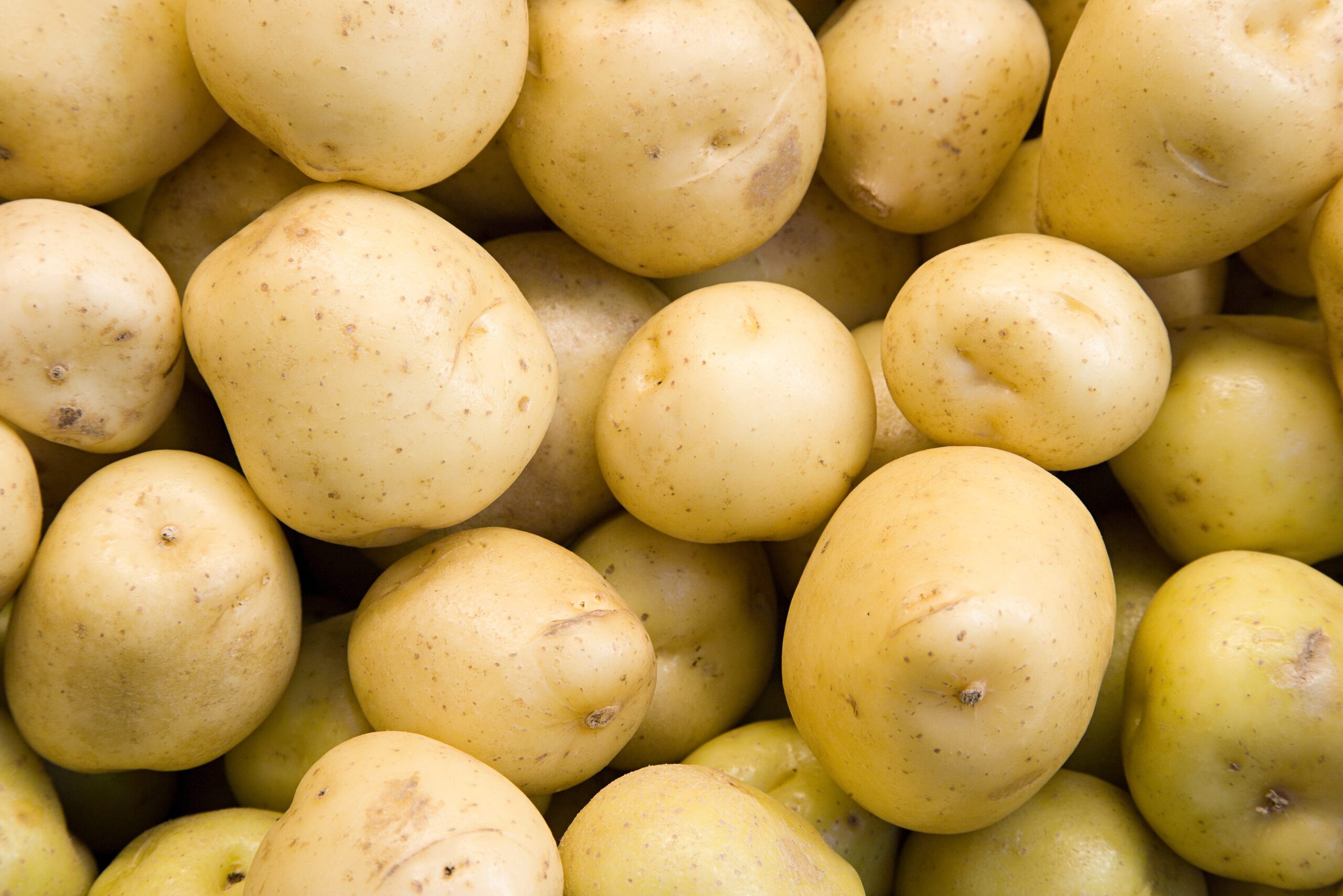
Indeed, we were encouraged by the report’s call for increased consumption of fruits and vegetables. We have known that these “specialty crops,” including the nutrient-dense and cost-effective potato, have been under-consumed, despite their profound health benefits. This emphasis on expanding access to and awareness of these foods is a positive step toward improving the diets of all Americans.
However, beyond these initial positive statements, the MAHA report contains several recommendations and underlying philosophies backed by some activist voices that give us pause — and should concern anyone committed to the stability of America’s family farms and our food supply.
Pesticide problem
Chief among these concerns is the report’s efforts to undermine or discard the very basis of our nation’s regulatory system: peer-reviewed science and the preponderance of evidence.
Kam Quarles
The U.S. regulatory system, which is built on rigorous, objective scientific inquiry, ensures that facts — not emotions, influencer opinions or unverified claims — govern decisions related to food production, safety and nutrition. If those activists are successful, it can have a significant impact on future government recommendations or prohibitions on how crops are grown, what Americans should consume and the government spending that may support those purchases.
The report’s specific criticisms of pesticides, including mentions of glyphosate, are particularly troubling. While it acknowledges the need for more extensive research to establish definitive connections between certain chemicals and adverse health outcomes, the implied shift away from relying on established scientific protocols for regulatory decisions is deeply concerning.
Ultraprocessed overgeneralization
Furthermore, the report’s broad-brush condemnation of “ultraprocessed foods, added sugars, food dyes, and additives” while advocating for a “whole-food diet” is well-intentioned but needs careful scientific calibration.While encouraging whole, nutritious foods like whole milk, dairy, beef, leafy greens and legumes is commendable, there is an attempt to equate “processed” with “unhealthy.” Many foods undergo processing to enhance safety, extend shelf life and make them more accessible and affordable for consumers. A commonsense, science-based approach is critical to avoid inadvertently stigmatizing safe and beneficial food products.
The National Potato Council is committed to working with the Trump administration toward a healthier America. We believe that by championing increased fruit and vegetable consumption, we can make significant strides. However, our commitment is equally strong to upholding the integrity of our science-based regulatory system.
For the sake of American family farms and the consumers they serve, we must ensure that our nation’s health policies are founded on validated, rigorous scientific principles, not on the shifting sands of public opinion or the passions of a vocal and influential few.