

Dicamba is back: What specialty crop growers need to do now
Dicamba drift is once again a concern for Midwest fruit and specialty crop growers. Find out how to protect your operation this season.





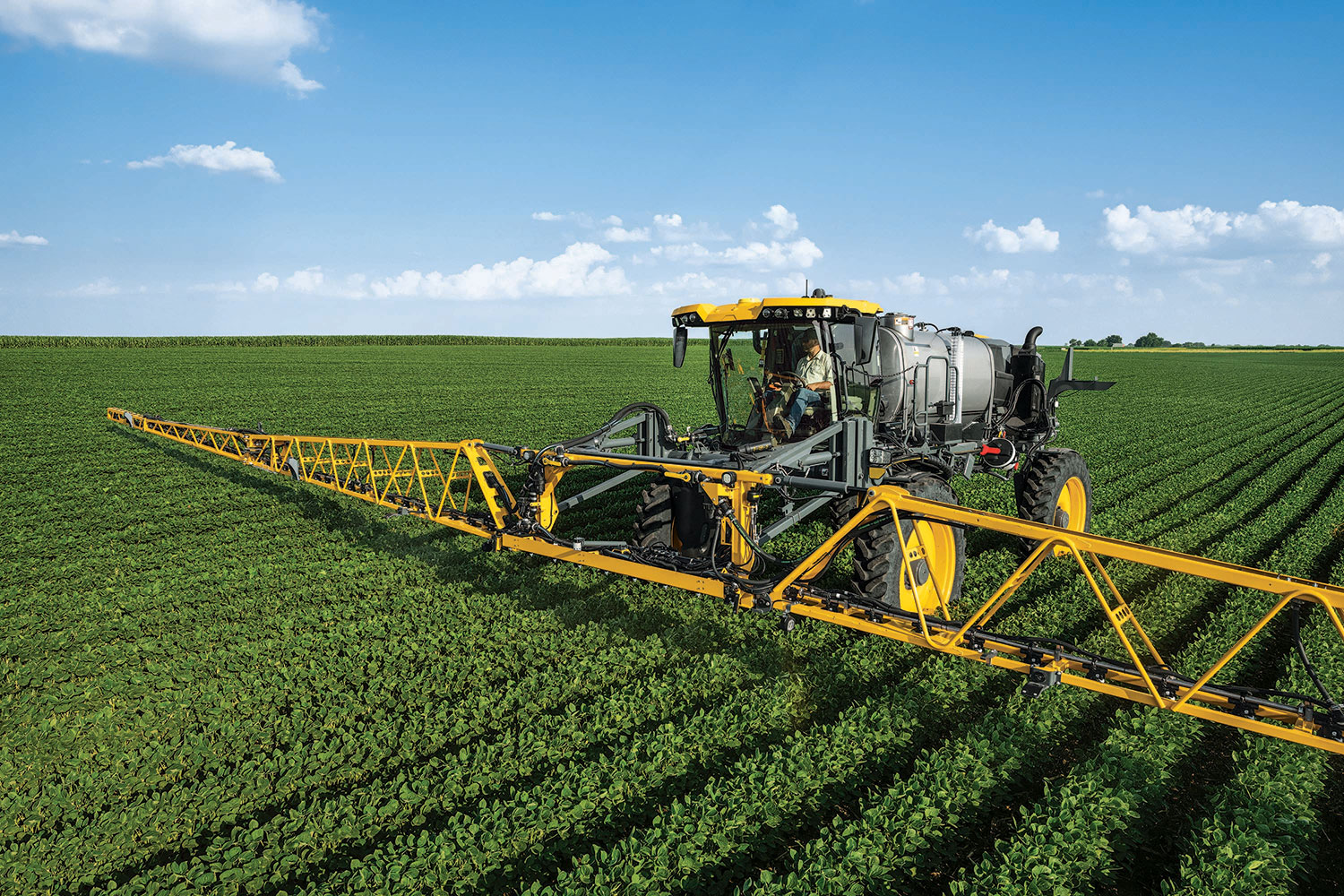
The University of Illinois Extension office is warning Midwest fruit and specialty crop growers to be aware of the return of over-the-top (OTT) dicamba use in soybeans during the 2026 growing season.
Anytime dicamba, which has a long history of pesticide drift going back to its introduction in the 1960s, is being used post-emergence in soybeans, off-target movement remains a substantial risk to nearby specialty crops like tomatoes, grapes, peppers and potatoes.
In February, EPA approved three dicamba products — Stryax (Bayer), Engenia (BASF) and Tavium (Syngenta) — for use in dicamba-tolerant soybeans for the 2026 season. The registrations are good for two years while further review continues.
While the decision directly impacts row crop farmers, the implications for neighboring orchards, vineyards and specialty crop acreage are significant, particularly in regions where soybeans are grown adjacent to high-value crops sensitive to dicamba drift.
The updated federal label includes several restrictions aimed at reducing volatility and off-target movement. Applications are limited to two per year, with a combined maximum of 1 pound of dicamba per acre. Each application must include a federally approved volatility reduction agent (aka adjuvant).
Applicators must also adopt conservation practices from EPA’s mitigation menu and complete annual dicamba training. Only certified applicators are permitted to apply dicamba.
Additional restrictions are intended to reduce off-target drift risk. Applications are prohibited when wind speeds fall outside the 3 to 10 mph range, during temperature inversions, or when sensitive crops are located downwind. Sprays are limited to daytime hours — from one hour after sunrise to two hours before sunset.
State-level rules that vary by location can add further safeguards. In Illinois, dicamba applications are prohibited when temperatures exceed 85 degrees F or are forecast to do so, and no applications are allowed after June 20. Applicators in the state are also required to consult the FieldWatch sensitive crop registry before spraying and follow all associated record keeping requirements.
For specialty crop growers across the Midwest, the renewed use of dicamba underscores the importance of communication with neighboring row crop farms, monitoring FieldWatch during the early part of the growing season and documenting potential exposure risks.
What the University of Illinois advises specialty crop growers do now:
- Register fields with FieldWatch to ensure nearby applicators are made aware of sensitive crops prior to spraying soybeans.
- Communicate early with neighbors growing dicamba-tolerant soybeans about specialty crop locations.
- Monitor weather conditions during local spray windows, especially for temperature inversions and wind shifts.
- Scout regularly throughout the early part of the summer for symptomology of dicamba exposure (leaf cupping, twisting and curling) and take cell phone images (to record GPS coordinates) of any suspected damage.
- Keep detailed records (photos, dates, crop conditions) in case of drift investigations or insurance claims.
- Review state-specific rules as additional restrictions may apply beyond the federal label.