

Not enough evidence to link wild birds to foodborne illness





But a Washington State University (WMU) study published in Biological Reviews on Jan. 31 has found scant evidence to support the link between wild birds and human illness involving those three pathogens.
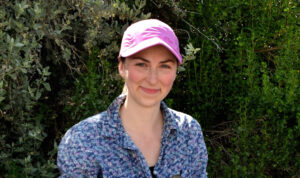
The perceived risk of wild birds can impact their survival, said Olivia Smith, lead author on the study and a recent WSU Ph.D. graduate.
Bird populations have been falling rapidly in recent decades. Scientists estimate that since 1970, North America has lost more than three billion birds. In light of this, the WSU researchers highlighted the need for more definitive research before destroying habitat and banning birds from fields in the name of food safety.
Smith and her colleagues, WSU Associate Professor Jeb Owen and Professor William Snyder, analyzed data for E. coli, Salmonella and Campylobacterin 431 North American breeding bird species and found no relevant studies for 65% of those species, including birds that are commonly found in farm fields such as raptors, great blue herons and black-billed magpies.
In their review, the researchers found only one study definitively linking wild birds to foodborne illness outbreaks: a case where sandhill cranes spread Campylobacter on fresh peas in an outbreak that sickened nearly 100 people in Alaska in 2008.
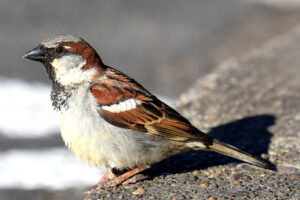
The most studied birds in relation to these pathogens were ducks, geese as well as two non-native species,
Only 3% of the studies that the researchers analyzed looked at the entire transmission process from bird to plant to human. The majority simply tested bird feces to see if the bacteria were present or not.
In order for the bacteria to make people sick, the bird needs to get pathogenic strains of E. coli, Salmonella or Campylobacter on a food crop, and that bacteria has to survive long enough until people eat the contaminated food, including through shipment, washing, food processing in plants and food preparation. The data on the pathogen survival is also very limited.
“Birds do carry bacteria that can make people sick, but from our review of the scientific studies, it’s unclear how big of a risk they are,” Smith said.
– Sara Zaske, Washington State University
Bird photos: Olivia Smith