

Cyclospora outbreak highlights produce safety best practices for growers





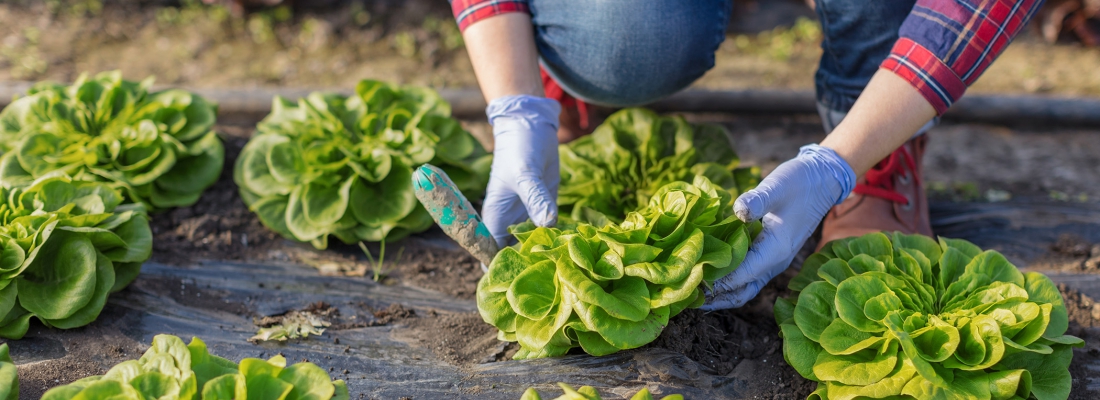
Penn State Extension is reminding growers and produce handlers to follow safe food handling practices as federal and state officials continue investigating a multi-state outbreak of cyclosporiasis.
The source of the outbreak has not yet been identified.
Extension specialists recommend several steps to reduce the risk of foodborne illness:
- Wash hands with soap and water for at least 20 seconds before and after handling fresh produce.
- Rinse fruits and vegetables thoroughly under cool, running water before eating, cutting or cooking.
- Gently scrub firm produce, such as cucumbers, melons and apples, with a clean produce brush.
- Remove and discard the outer leaves of leafy vegetables such as lettuce and cabbage.
- Use separate cutting boards for fresh produce and raw meat, poultry and seafood.
- Refrigerate cut fruits and vegetables within two hours.
Penn State Extension also emphasized that while rinsing produce is an important food safety practice, washing alone cannot completely eliminate Cyclospora. Likewise, there is no scientific evidence that soaking produce in vinegar, baking soda or commercial produce washes removes the parasite. The CDC recommends washing produce only under clean, running water and never using soap, bleach or household cleaners on fruits and vegetables.
For produce that can be cooked, the FDA says heating food to at least 158 degrees Fahrenheit (70 degrees Celsius) is expected to inactivate the parasite. However, many foods previously associated with Cyclospora outbreaks, including leafy greens, herbs and berries, are typically eaten raw.
Penn State Extension stressed that consumers should continue eating fresh fruits and vegetables as part of a healthy diet unless public health officials identify a specific food associated with the outbreak.
According to Penn State Extension, Cyclospora can contaminate fresh produce through contact with human waste or contaminated water during growing, harvesting or processing. In the U.S., infections are most common from May through August, when fresh fruits and vegetables are widely available. Previous outbreaks have been associated with a variety of fresh produce items, though no specific commodity has been linked to the current investigation.
Officials at Ohio State University’s College of Food, Agricultural, and Environmental Sciences (CFAES) also issued guidance for growers navigating the ongoing Cyclospora outbreak.