

Future-proofing specialty crops: Penn State advances strategies for climate resilience
Vegetable crops face mounting climate stress. Learn how researchers develop innovations in breeding and tech to protect yields and quality.





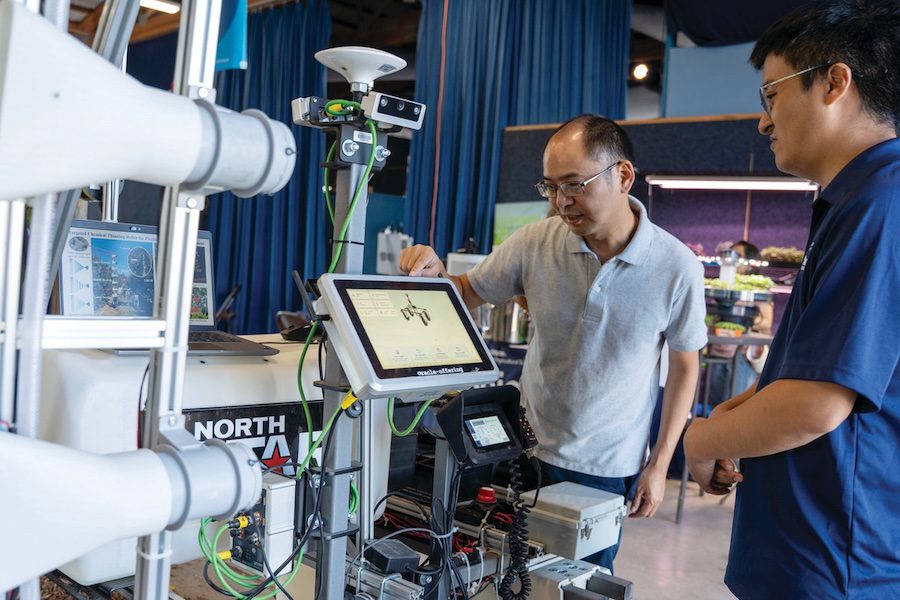
Penn State Extension researchers are concerned climate change is making specialty crop farming more unpredictable, with shifting weather patterns, rising temperatures and mounting pest pressures complicating crop production.
While these challenges affect all crops, vegetable cropping systems are particularly vulnerable due to their sensitivity during key growth stages and need for stable environmental conditions, writes Adrienne Bedard for Penn State Universities’ College of Agricultural Sciences.
How climate stressors affect crop production
Vegetable crops such as tomatoes, peppers, kale, Brussels sprouts and leafy greens are highly susceptible to heat stress, irregular rainfall and disease outbreaks. Likewise, excessive heat during the growing season can prevent fruit set in crops like tomatoes, while leafy vegetables may bolt prematurely, reducing yield and produce quality. These factors highlight the urgency of breeding more resilient vegetable varieties that can maintain productivity and nutritional value under changing conditions.
Penn State researchers like Paul Esker and Sarah Hermann are part of a larger group of plant professionals addressing these risks through a combination of advanced breeding, biotechnology and data-driven farming tools.
One innovative approach is identifying and splicing in agronomic traits from wild crop relatives — plants that naturally tolerate drought, heat, or poor soils—into modern vegetable varieties. At the same time, technologies like gene editing and genomics are accelerating the development of crops that can better withstand environmental stress while preserving flavor and nutrition.
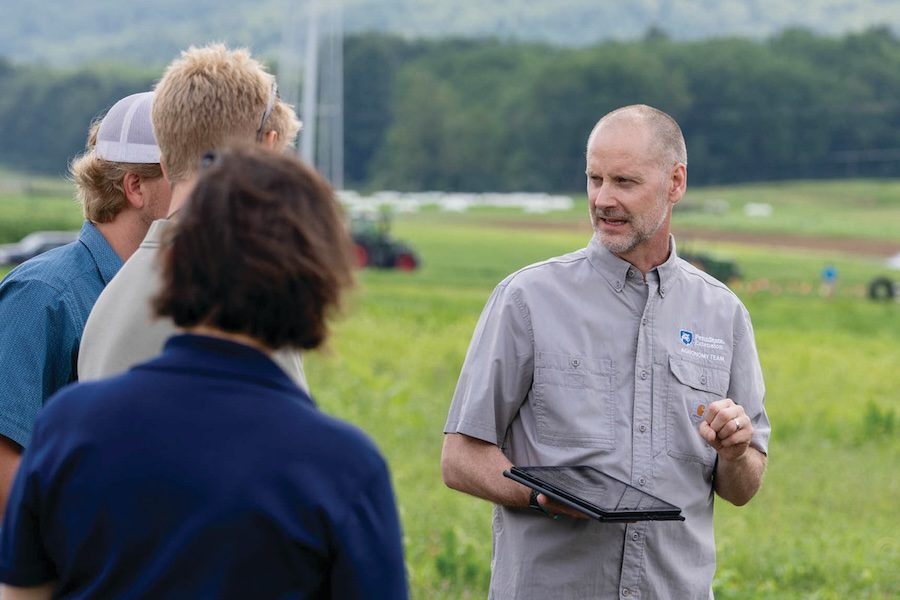
In parallel, digital agriculture tools are helping farmers manage vegetable crops more precisely. Platforms that collect real-time field data allow growers to monitor pest activity, disease risks and environmental conditions. These systems, like the Open Crop Manager application Esker and his team have developed at PSU, use predictive modeling to estimate how stressors may impact yields, enabling farmers to make more informed decisions about irrigation, pest control and input use.
Future proofing crops via stepped up climate resilience also requires on-farm practices tailored to vegetable production. Strategies such as diversifying and regularly rotating crops, adjusting planting schedules, proactively managing soil health and optimizing water management have long been proven to reduce risk. For instance, conservation tillage and cover cropping help retain soil moisture — critical for vegetables during heat waves—while efficient irrigation systems ensure consistent water supply even under drought conditions.
Key takeaway
Ultimately, building resilient vegetable systems requires integrating innovation with practical farming knowledge. Scientists, farmers, and policymakers are increasingly collaborating to translate research into real-world solutions. The goal is not only to help crops survive unpredictable conditions, but to ensure consistent yields, produce quality and long-term food security.
As climate uncertainty continues, the future of efficient and sustainable specialty crop production depends on a combination of resilient crop genetics, smart farming technologies and adaptive management practices.
Head over to Penn State Universities’ College of Agricultural Sciences to read the full story. This article originally appeared in the Penn State College of Agricultural Science’s fall/winter 2025 magazine.