

Sunn hemp effective for weed control in fall crops, research finds





Wild Hope Farm, located in Chester, South Carolina, received a Southern Sustainable Agriculture Research and Education (SSARE) Producer Grant to explore summer cover crop mixes for organic no-till broccoli.
“We’ve had an interest in trying out crimped summer cover crops for fall crop production for a long time, and the SARE grant gave us the opportunity to explore treatment mixes for fall broccoli plantings,” said farm manager Rachel Klein.
In the study (FS20-326), “Summer Cover Crops for Organic No-till Broccoli,” five summer cover crop treatments were implemented in a no-till broccoli field: Tilled bareground after sunn hemp; sunn hemp crimped prior to c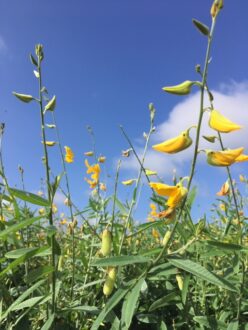 ash crop planting; sunn hemp and millet crimped prior to cash crop planting; sunn hemp, soybeans and buckwheat crimped prior to cash crop planting; and sunn hemp, millet and buckwheat crimped prior to cash crop planting.
After one year of research, Klein and her crew found that the beds with cover crop mixes appeared to perform the best at suppressing weeds, compared with sunn hemp alone or the tilled treatment. However, Klein found that the timing of cover crop termination and weight of the roller crimper is important to prevent the reseeding and regrowth of the cover crops.
“Some regrowth of cover crops was due to not timing the crimping of soybeans, millet and buckwheat correctly. We also theorize that the roller-crimper could have been too heavy, causing it to cut some stems and stimulate side shoot growth in both the sunn hemp and the buckwheat.” said Klein.
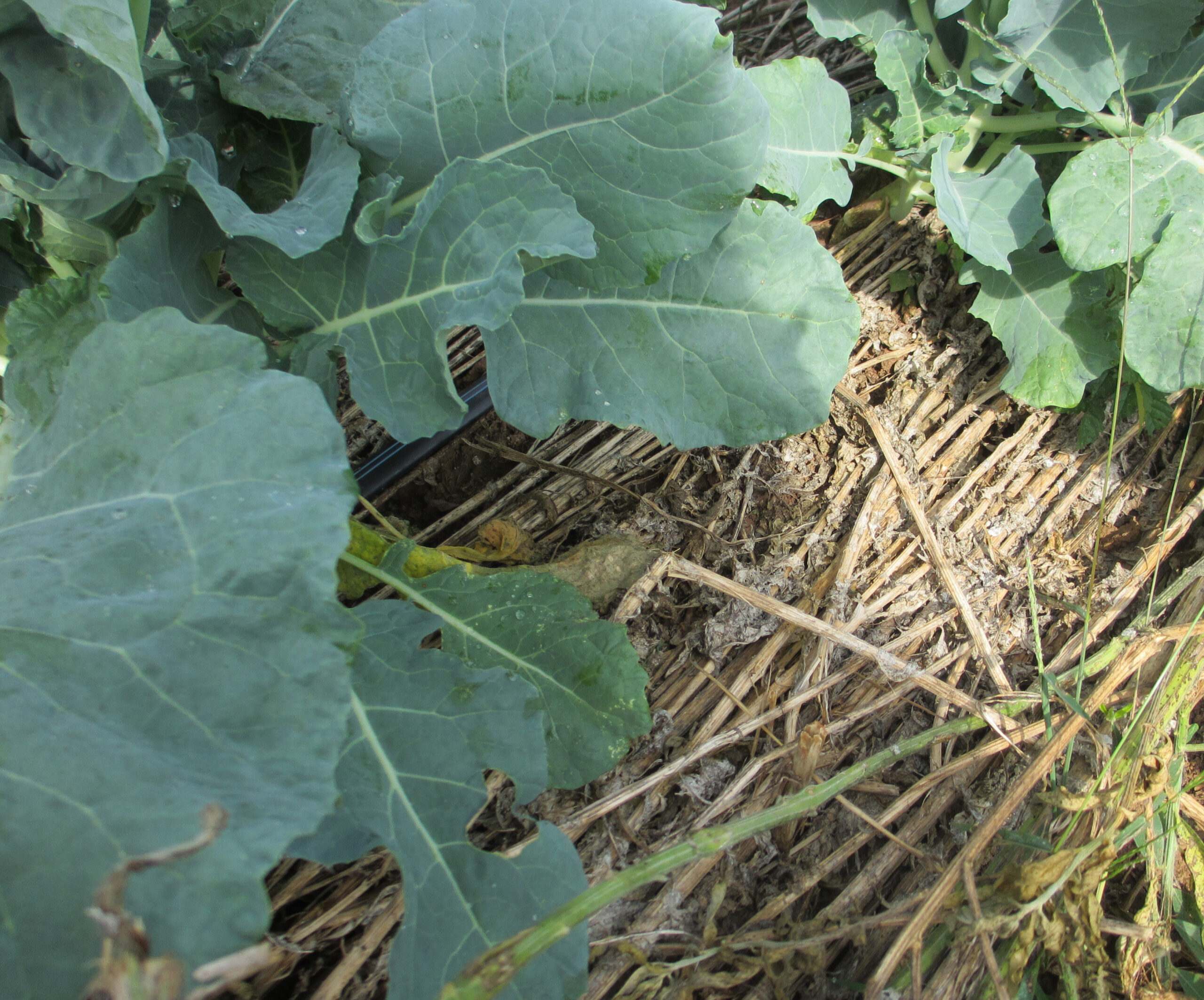
“The buckwheat goes to seed quickly and doesn’t leave much residue. The millet also goes to seed fast and can become a weed if not controlled properly, but the plots with millet this year did create a much thicker mulch mat than sunn hemp alone,” said Klein.
In addition to weed suppression, yields were highest in the sunn hemp and millet plot. “We keep going back to the sunn hemp as our base cover crop. We have seen very different performance of the millet across the two years based on its response to drought, so we’d love to continue exploring what a sunn hemp and millet mix, or another grass cover can do,” said Klein.
Wild Hope Farm produces 12 acres of certified organic vegetables for a 350-member CSA. The farm focuses on cover crops and poultry litter for soil fertility and weed suppression, and is also exploring ways to improve roller crimped no-till production for main season cucurbit plantings. If a successful mix of summer cover crops is identified for fall production, it would protect the farm’s soil from harsh late summer rains and increase the total production of no-till plantings on the farm.
To learn more about Wild Hope Farm, visit https://www.wildhopefarm.com/
Photo at top: Farm manager Rachel Klein checks the broccoli plants, part of the treatment plots for the Southern SARE Producer Grant. Photo: Southern SARE