

Food is Medicine: growers explore edamame, ube as UF program expands crop diversity
A UF program is helping South Florida growers diversify into high-value, nutrient-dense ethnic crops. Learn how these crops can fit into your production system.





Why it matters:
- Rising demand for culturally relevant crops
- New revenue streams for growers
- Improved sustainability through low-input systems
A University of Florida/IFAS initiative is helping South Florida growers tap into rising demand for culturally relevant, nutrient-dense crops while advancing sustainable production practices.
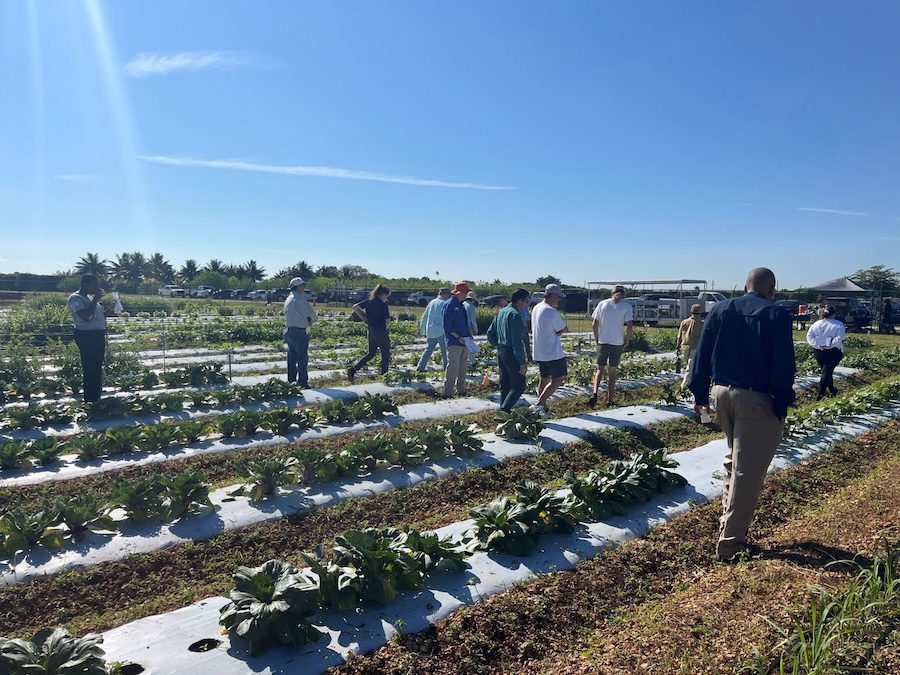
Led by Xiaoying “Shawn” Li, assistant professor of horticultural sciences with UF/IFAS, the Community Ethnic Vegetable Extension program is bringing a “Food is Medicine” approach to commercial production. Based at AgroEco Park at the Tropical Research and Education Center in Homestead, the program works directly with farmers to identify high-value specialty crops suited to the region’s subtropical conditions.
Launched in 2025, the effort responds to growing consumer demand from Asian, Caribbean and Latin American communities while addressing a lack of local production of culturally important vegetables.
Over three growing seasons, researchers evaluated 56 vegetable and cover crop types for adaptability, production timing and sustainability. Early results show increased grower adoption of alternative crops and improved awareness of low-input practices such as cover cropping and integrated pest management.
One early success is edamame, which has expanded from zero to more than 10 acres of production in South Florida in 2025. Other crops gaining traction include ube, red mustard and specialty peppers.
The program also emphasizes community engagement, hosting field days and distributing seeds to expand adoption among growers and gardeners.
Take a deeper dive into this interesting project over at blogs.ifas.ufl.edu
Photo by Dalton Goolsby, UF/IFAS Extension Miami-Dade County.