

Middle East trade tensions freeze California farm exports





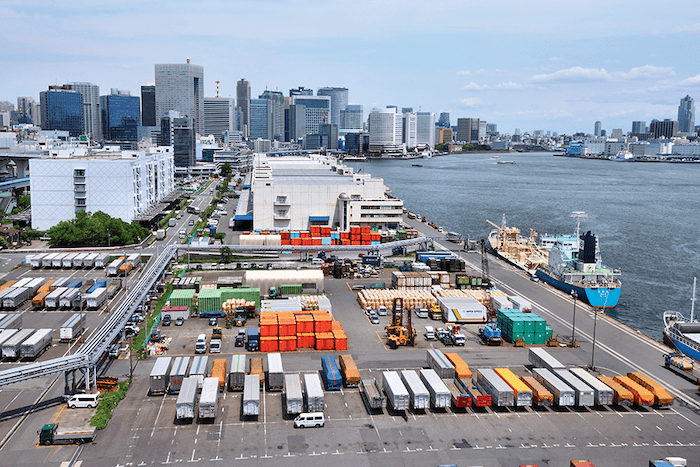
Since the war began on Feb. 28, Iran has responded to U.S. attacks by effectively closing the Strait of Hormuz, a crucial shipping route.
“As the largest exporting state, California and our exporters and producers are bearing the brunt of these market and export impacts,” Jay Van Rein, acting director of public affairs at the California Department of Food and Agriculture, said in a statement reported by AgAlert.
Robert Verloop, CEO of the California Walnut Board and Commission, said 70,000 tons of walnuts — about 10% of the billion-dollar sector’s yearly production — were either on the way to the Middle East or scheduled to be shipped there in March.
“That certainly is at risk,” Verloop said.
Tulare County nut exporter Bikram Hundal said one shipment of his bound for Dubai’s Port of Jebel Ali was rerouted the Netherlands. Another was sent to Algeria, leaving him looking for new buyers for nuts he will most likely have to sell at a discount.
Almonds, walnuts and pistachios rank among California’s top agricultural commodities, with almonds topping $5.6 billion in 2024, according to the California Department of Food and Agriculture.
Verloop said the Muslim holiday of Ramadan is a key time for consumption of California walnuts.
“California agriculture relies heavily on international markets, and increased volatility makes planning and contracting much more difficult in both the short and long term,” Matthew Viohl, California Farm Bureau federal policy director, told AgAlert.