

Vegetable growers: Aphid control depends on whether you’re fighting pests or viruses
MSU Extension recommends planting virus-resistant varieties, managing weed hosts, using reflective mulches and adjusting planting dates.





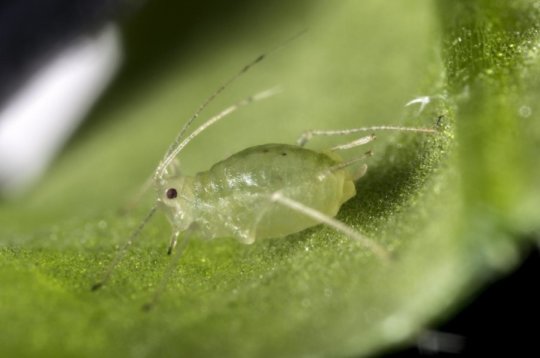
Michigan State University Extension is advising vegetable growers to consider a more targeted approach to aphid management, emphasizing that successful control depends on whether the primary objective is suppressing aphid populations or preventing the spread of plant viruses.
According to a recent MSU Extension article by entomologist Zsofia Szendrei, aphids can damage vegetable crops directly by feeding on plants and indirectly by transmitting viruses. However, the most effective management strategy varies depending on the crop, pest pressure and production goals.
Extension specialists note that growers focused on reducing aphid populations should rely on regular scouting and integrated pest management (IPM) practices. Beneficial insects, including lady beetles, lacewings and parasitoid wasps, can help keep aphid populations in check, while insecticide applications should be based on field scouting and established treatment thresholds rather than calendar schedules. Broad-spectrum insecticides may disrupt these natural enemies and contribute to future aphid outbreaks.
When virus prevention is the priority, growers face a different challenge. Many vegetable viruses are transmitted by winged aphids within seconds of feeding, meaning insecticides often cannot act quickly enough to prevent infection. Instead, MSU Extension recommends an integrated approach that may include planting virus-resistant varieties when available, managing weed hosts, using reflective mulches to discourage aphid landings and adjusting planting dates where practical.
MSU Extension emphasizes that understanding the biology of both the aphid species and the viruses affecting a particular crop allows growers to select management tactics that are more effective, economical and sustainable over the long term.
Read the full article over at MSU Extension for more detailed management information.