

Syngenta intros INSV-resistant romaine lettuce variety ‘Renegade’
Syngenta introduces Renegade, a romaine variety with resistance to INSV, expanding grower options for disease pressure in Salinas Valley.





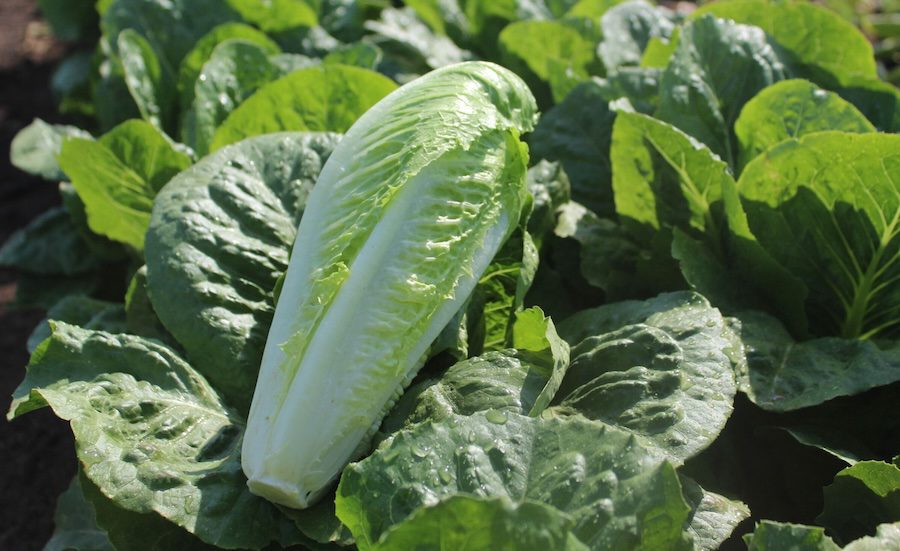
Syngenta Vegetable Seeds has introduced a new romaine lettuce variety, ‘Renegade’, featuring high resistance to Impatiens Necrotic Spot Virus (INSV).
Syngenta says the release expands the company’s romaine portfolio, alongside existing variety ‘Stampede’, which has recently been reclassified as having high resistance to INSV.
The addition of Renegade provides growers with two romaine options that offer high resistance to INSV, a virus that has significantly affected lettuce production in California’s Salinas Valley. The diseases spread by thrips, and often lead to rapid crop loss and reduced marketability.
Renegade was developed for Salinas Valley growing conditions and is suited to a planting window from April through August. The variety also shows bolting tolerance, a trait associated with improved performance under heat stress during the summer growing season.
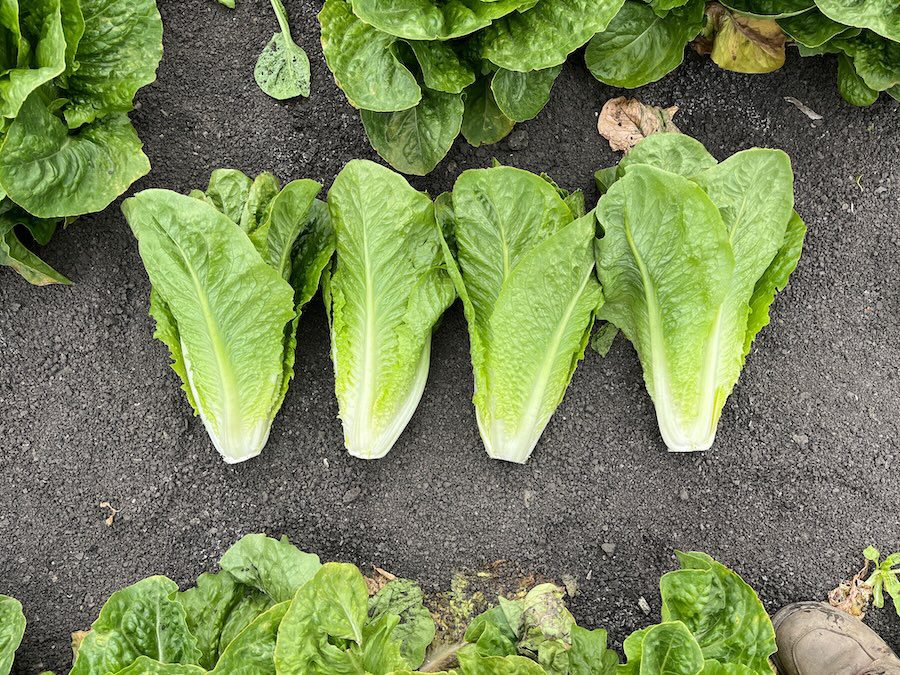
Like Stampede, Renegade is designed for both fresh market and processing uses. Both varieties share a disease resistance package that includes protection against multiple races of downy mildew, including Race 10, as well as Tomato Bushy Stunt Virus (TBSV). According to Syngenta, these are among the first commercially available romaine varieties with resistance to downy mildew Race 10.
Field validation for Renegade included trials conducted with external partners such as the University of California Agriculture and Natural Resources (UC ANR). The company states that the variety was developed in collaboration with growers to address ongoing disease pressures and seasonal variability.
INSV has posed increasing challenges in recent years, particularly in the Salinas Valley, a major hub for U.S. romaine production. At peak infection levels, crop losses linked to the virus have been estimated at up to $150 million, highlighting the economic impact on growers.
The availability of multiple resistant varieties may help growers diversify planting strategies and reduce reliance on a single cultivar. This approach is considered important in managing disease pressure and adapting to changing environmental conditions.