

USDA’s April Outlook signals import, wholesale pricing challenges
USDA’s latest outlook shows higher vegetable production, softer prices and rising import pressure for U.S. vegetable growers. Read the full report.





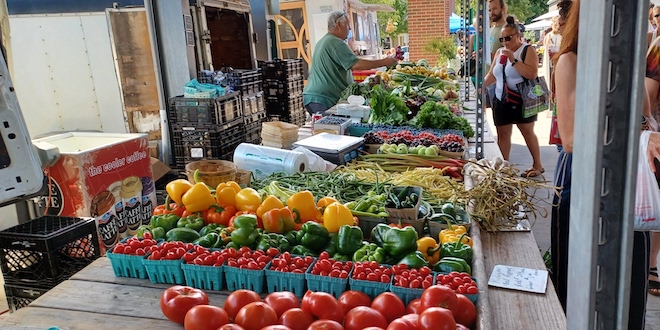
USDA’s April 2026 Vegetables & Pulses Outlook report shows vegetable growers are facing a mixed market outlook marked by stronger domestic production, softer prices for several key crops and continued competition from imports.
The report shows:
- Fresh vegetable production rebounded in 2025, helping raise per-capita fresh vegetable availability to 148 pounds per person, up nearly 3 pounds from the previous year.
- Processing vegetables also recovered after a weak 2024, with availability climbing 7% year over year.
USDA analysts attributed much of the production gains to higher domestic production and lower export volumes.
Despite the sunny supply picture, the report warns of continued pressure from imports, particularly from Mexico. Imports now account for roughly one-third (33%) of total U.S. vegetable availability, with Mexico supplying about 77% of all fresh vegetable imports and Canada contributing another 13%. Crops such as tomatoes and cucumbers remain largely import-dependent, while lettuce production continues to rely on U.S. growers.
RELATED – 2025 USDA vegetable crop report: Record yields, lower prices and mixed markets
For vegetable farmers, pricing trends may be one of the report’s biggest takeaways. USDA noted that grower prices for several fresh-market crops — including lettuce, onions, tomatoes, broccoli, cauliflower and celery — weakened during 2025 as weather conditions improved compared to 2024’s more difficult growing season. California producers benefited from improved reservoir levels and easing drought conditions, while much of the Southeast remained unusually dry but avoided widespread storm damage.
Processing tomato growers received more encouraging news. California processing tomato yields are forecast at 55 tons per acre, up 10% from 2024 and well above the five-year average, helping offset lower contracted acreage.
The report also highlighted longer-term consumption trends that may concern farmers. USDA said total U.S. vegetable and pulse availability hit its lowest level in more than 35 years in 2024 before modestly rebounding in 2025. Fresh vegetable consumption has remained relatively stable, but processed vegetable consumption has gradually declined over time.
Pulse crops were one bright spot in the report. Lentil availability surged more than 100% in 2025, while dry peas and beans also posted significant gains, reflecting stronger domestic supplies and growing consumer demanad for plant-based proteins.