





Jan 5, 2026How D’Arrigo Bros. blends 100-year heritage, high-tech to grow leafy greens across the west
In its second century, D’Arrigo Bros. carries a deep growing heritage in California’s Salinas Valley.
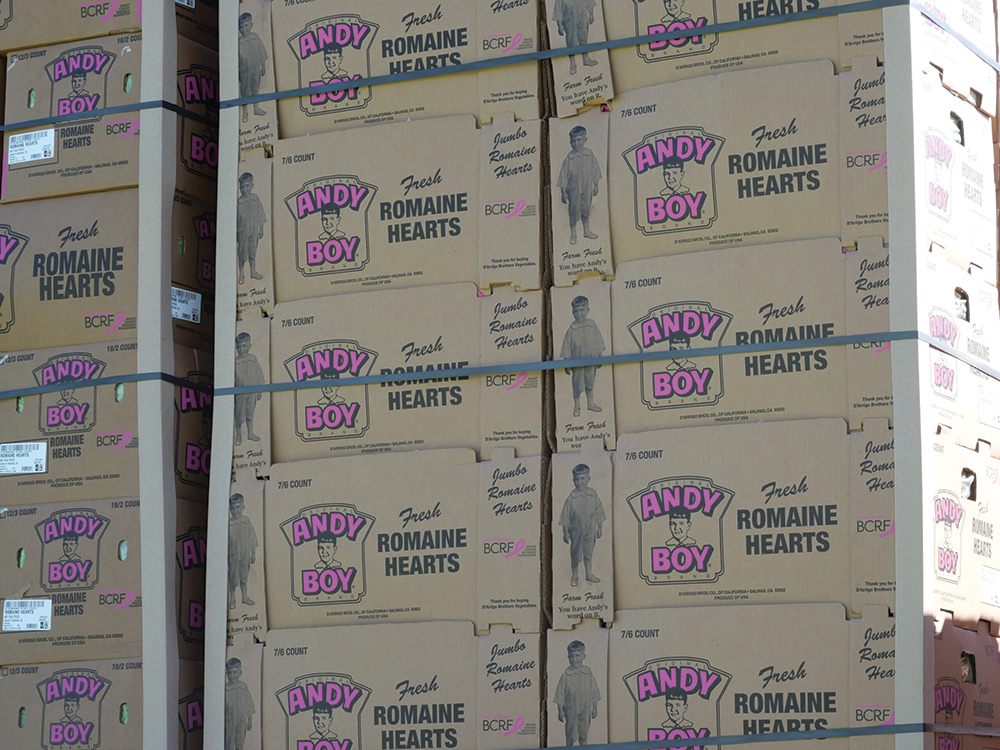
The family-owned operation spans more than 40,000 acres across California, Arizona, and Mexico, producing leafy greens, broccoli, artichokes and more than a dozen conventional and organic vegetable varieties, including romaine hearts and cauliflower.
The family connection
D’Arrigo, which markets vegetables through the Andy Boy label, traces its roots to 1907. That’s when Andrea D’Arrigo first arrived in Boston from his native Sicily. His brother Stefano soon joined him in America, and by 1925, the brothers had formed a partnership that pioneered growing and shipping broccoli from California to the East Coast. At the time, the new venture was credited with completing the first transcontinental shipment of fresh produce.
“D’Arrigo California’s century-long presence in the produce industry speaks volumes about who we are and what we stand for,” said Chad Amaral, vice president of sales, marketing and business development. “We’ve remained rooted in our original values of resilience, innovation and an unwavering commitment to quality.”
Virus threat
A big challenge for every Salinas Valley lettuce grower is Impatiens necrotic spot virus (INSV), which stunts plant growth and causes necrosis on leaves. D’Arrigo’s combats the disease with a full-systems approach that includes aggressive field monitoring scouting, timely applications to control western flower thrips that spread INSV and regular use of beneficial insects.
The operation also manages mildews, alternaria, sclerotinia drop and fusarium in its field lettuce and leafy crops, along with common insect pests such as thrips, aphids, worms, leafminers and diamondback moths. Cultural practices include rigorous weed and host removal along ranch edges, sanitation between plantings and shortened field intervals to reduce pathogen exposure.
Variety screening involves continuous trialing of new genetics that offer improved disease tolerance and faster maturity. A cross-functional “rapid response” team — including pest control advisors, section growers and harvest and postharvest staff — works together to quickly communicate, move affected lots and protect quality, Amaral said.
Tech future
With a wealth of expertise in automated harvesting solutions, D’Arrigo personnel often serve as panelists at International Forum of Agricultural Robotics (FIRA) events. They share experiences with robotic technology to help other specialty crop growers avoid early adopter mistakes.
“Our experience with automated harvesting has been insightful and forward-looking,” Amaral said. “We’ve actively explored mechanization and automation to address our labor challenges, enhance our efficiency, reduce operating costs and maintain our high quality standards.”
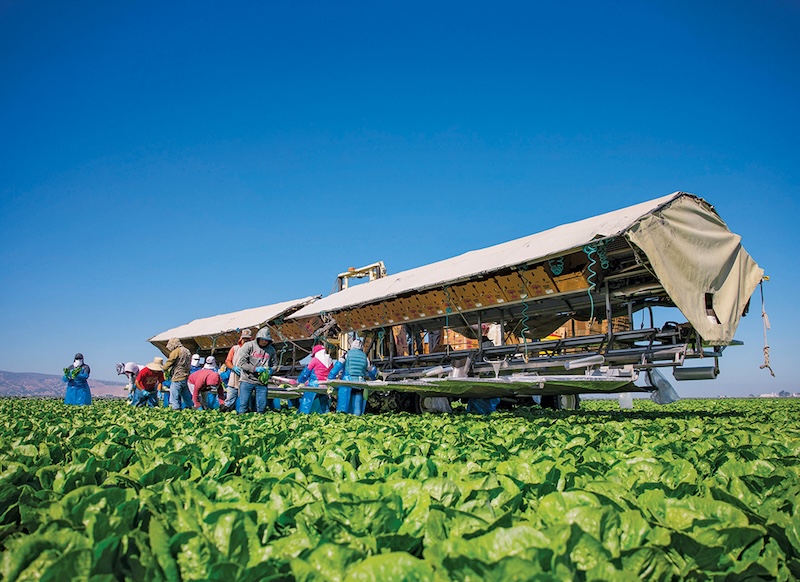
D’Arrigo is currently piloting automated harvest platforms, automated lettuce thinners, mechanical precision weeders and Internet of Things (IoT) sensor networks that capture yield, quality and labor data in real time.
“The wins we’ve uncovered so far include enhanced ergonomics, better product consistency and traceability data,” Amaral said. “The hurdles are familiar: field and soil variability, cut quality standards, capital costs, and machine maintenance and uptime during our peak harvesting windows.”
Automation promise
Testing new crop-specific automation requires close collaboration between tech developers and equipment dealers, as well as D’Arrigo’s trusted agronomists and on-farm harvesting crews.
“Automation holds great promise, especially for certain crops and harvesting conditions, but it’s not a one-size-fits-all solution,” Amaral said. “Our approach is to evaluate the tools carefully, scale them gradually and always remain flexible by balancing innovation with expertise in the field.”
The overall goal, he adds, is not just to adopt technology in an effort to modernize operations, but to identify AgTech solutions that deliver real ROI and help maintain the quality customers expect from the D’Arrigo name.
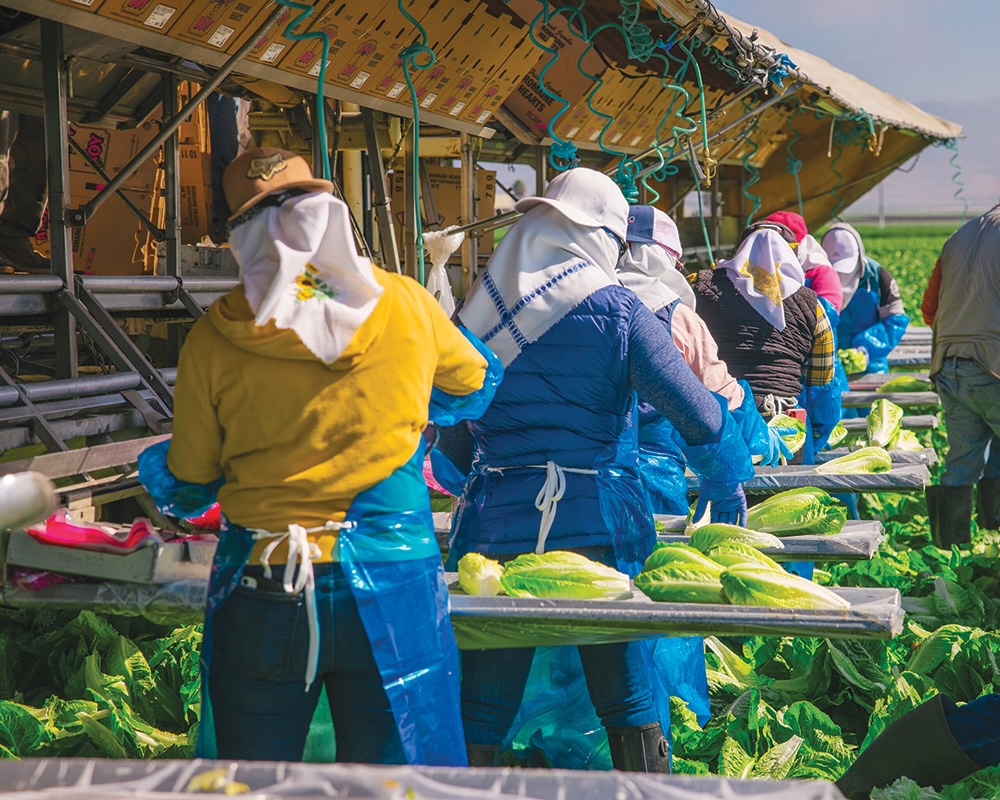
Based in California’s Salinas Valley, D’Arrigo Bros. is a family-owned company that grows more than a dozen conventional and organic varieties of vegetables. Photo courtesy Amy Marlan.
Drip irrigation and water conservation
Drip irrigation and fertigation technologies allow precise delivery of water and nutrients while reducing foliar moisture that spreads disease. D’Arrigo’s system minimizes fertilizer leaching and provides data required by California regulations.
Drip irrigation helps reduce overall water usage by up to 50% compared wit traditional overhead sprinklers providing a critical advantage in California’s resource-conscious environment, Amaral said.
D’Arrigo is the largest drip irrigation and tape user in the Salinas Valley, with more than 75% of its acreage under the system, Amaral said.
“In a water- and nitrogen-regulated world, drip irrigation is no longer a tool, it’s critical operating infrastructure,” he said.
Going vertical
Vertical integration allows D’Arrigo to manage seed selection, planting schedules, harvest timing, postharvest and a cross-docking operation that stores and ships products from other Salinas Valley growers. This includes 35% of D’Arrigo’s cooling space, which the operation shares with Driscoll’s berry crops.
Vertical integration helps the large, integrated operation reduce shrink, shorten its time-to-cool interval and improve product consistency, all while accelerating internal feedback loops. Field quality or yield variations are immediately communicated to logistics and sales staff, enabling faster harvest decisions and quick shipping adjustments.
D’Arrigo’s in-house seed trialing and R&D programs allow for cultivation of proprietary varieties of broccoli rabe and fennel. On the logistics side of the business, a one-stop-shop approach helps minimize redundant truckloads, lowering greenhouse emissions and food miles.
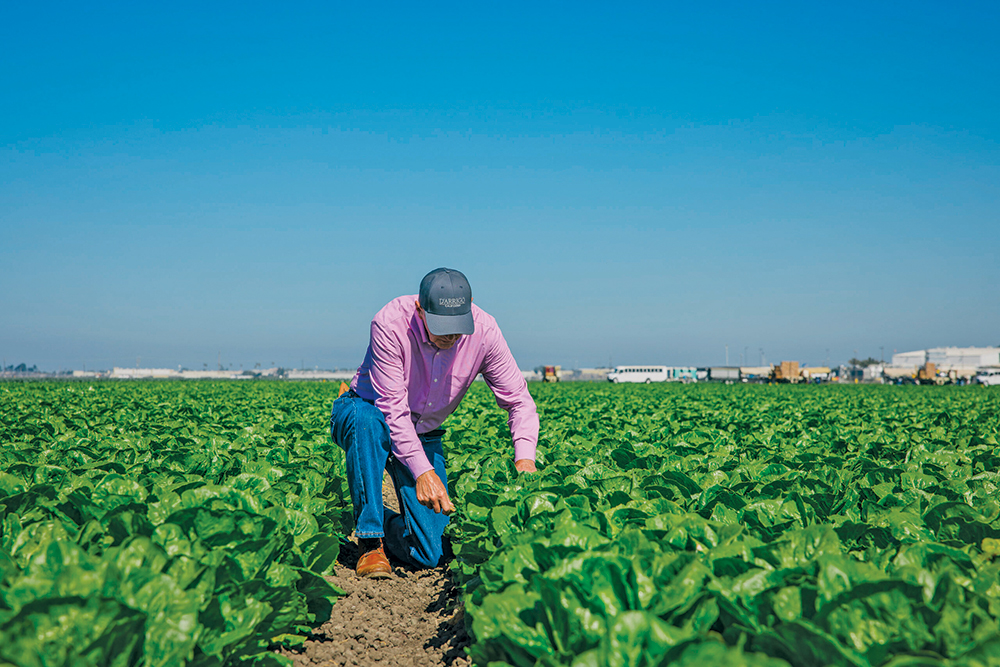
D’Arrigo Bros.’ president and CEO John D’Arrigo is a third-generation grower. Photo courtesy of Amy Marlan.
Sustainability practices
D’Arrigo’s field operations teams have implemented new tillage methods to improve soil health and reduce tractor passes by up to 50%. Its cover cropping program boosts soil organic matter and helps minimize nutrient runoff.
“Sustainability is at the heart of everything we do and is woven into every decision we make,” Amaral said. “We continuously adopt smarter, more sustainable farming practices that not only protect natural resources but also improve long-term soil health and crop performance.”
Top photo: D’Arrigo Bros. grows leafy greens, including romaine hearts, broccoli, cauliflower and artichokes on more than 40,000 acres across California, Arizona and Mexico. Photo courtesy Amy Marlan.
— Doug Ohlemeier, Contributing Writer