






Feb 5, 2024Sweet corn field management advances improve yield, flavor and harvest
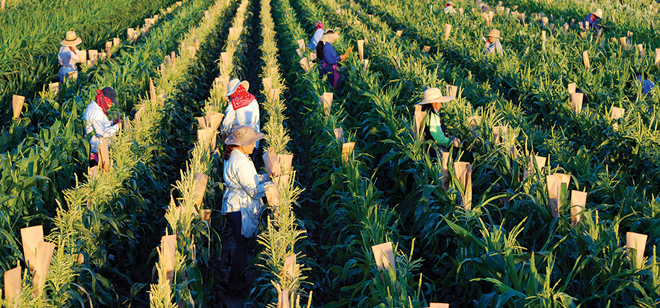
Sweet corn field management continues to advance as breeders and seed companies develop varieties with better sugars, flavor holding, ear placement, stalk strength, shelf life and improved picking windows. Growers now have more options to match their markets, whether they sell at roadside stands or ship corn in uniform trays.
Seed catalogs full of options
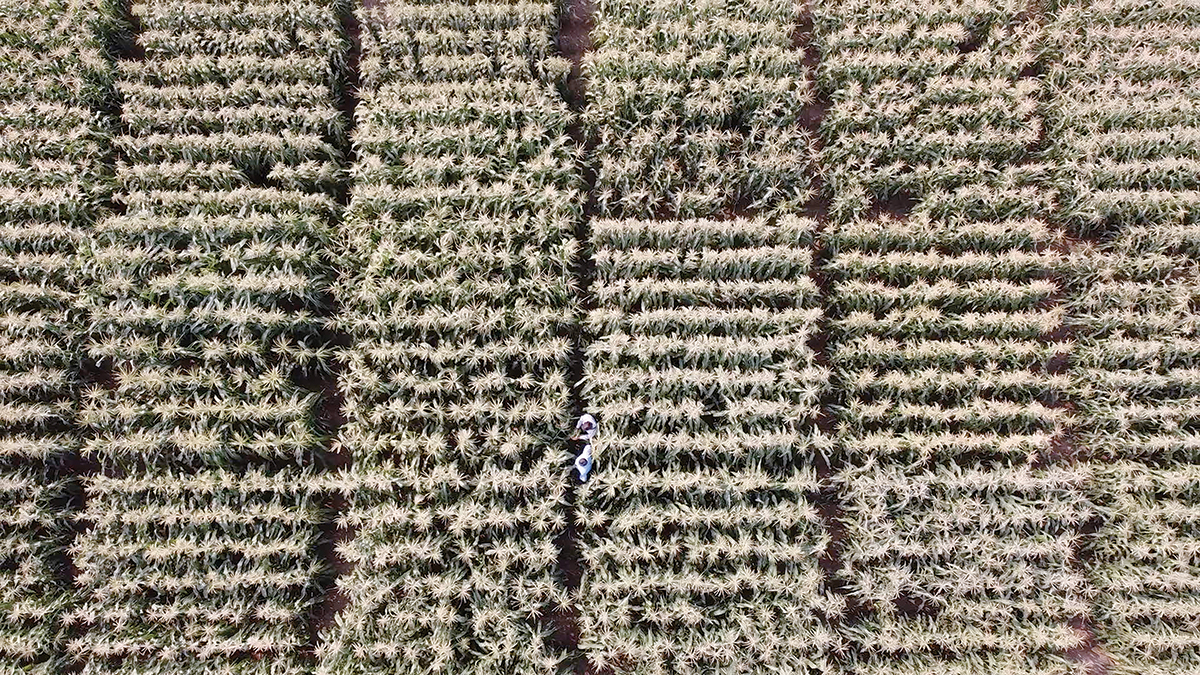
Seed catalogs often list up to 70 sweet corn varieties, a number that sparks questions from growers. They seek attributes such as ear size, tenderness, husk color and cover, and yield.
“Sweet corn is as American as apple pie and baseball,” said Jeff Werner, northeast sales representative for Rupp Seeds and Werner Farms in Rush, New York. “It’s probably the most talked about crop in general with any grower and it gets people to stop on the roadside stands and pick it up in the grocery stores. It’s a very versatile crop.”
Newer varieties widen planting windows
Because maturity ranges from 67 to 90 days, growers rely on succession plantings throughout the season. Newer varieties, such as Crookham’s sh2I supersweet types, provide stronger emergence and vigor, broader adaptability, disease resistance and improved postharvest storage, said Dustin Batt, lead sweet corn breeder for Crookham Co. in Caldwell, Idaho.
The sh2i seed is plumper and about 28% heavier than standard shrunken seed, improving plantar flowability and reducing skips and doubles. “That means improved flowability and platability for the grower, less skips and fewer doubles,” Batt said. “The sh2i Series also has an advantage over sh2 seed in the level of activity and performance of the seed during germination and more potential for rapid uniform emergence and development of normal seedlings under a wide range of field conditions.”
In addition to higher yields, newer varieties often require fewer fungicide applications and deliver more flexibility in the field. These innovations make a direct impact on sweet corn field management, helping growers balance crop health, efficiency and market demand.
Mechanical harvesting grows in importance
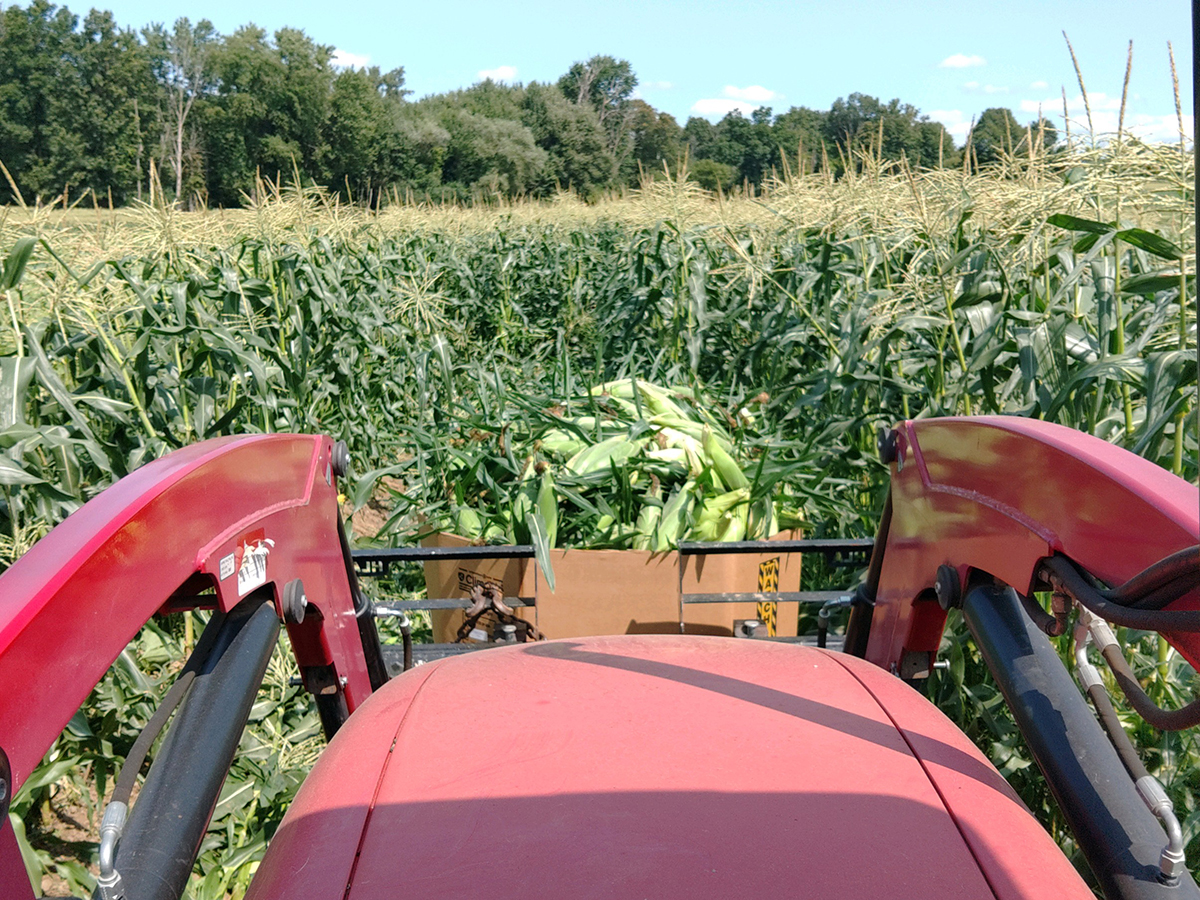
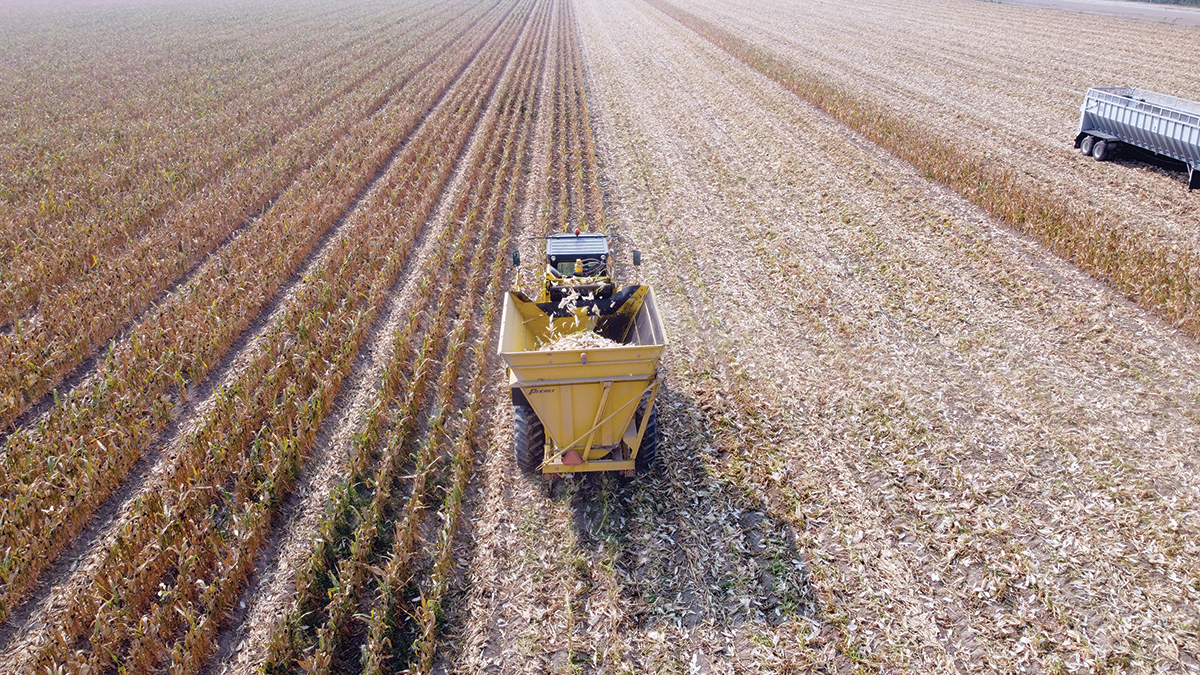
Varieties bred for mechanical harvest are becoming more important every year. Ear height and husk coverage help reduce bird damage while improving efficiency.
Werner said ear placement on the stalk is increasingly critical for mechanical harvesters, especially as more roadside growers adopt one-row machines.
Batt agreed. “This makes breeding for hybrids with high eating quality and tender pericarps challenging, but it’s not impossible. We have heard positive reviews for all our products being mechanically harvested, including our Nirvana series.”
Traits that withstand climate challenges
Sweet corn breeding remains challenging. Yield matters, but breeder must also select for plant architecture, row number, shank length and tip fill.
Heat tolerance is a key trait for the northeast, where more nights above 90ºF can reduce pollination. “Varieties with stalks that can withstand moderately high winds during thunderstorms, Derecho events, hurricanes or downbursts are also vital,” Werner said, noting more extreme weather in New England, the Mid-Atlantic, and the midwest.
Cold soil germination also plays a role. “Cold germination is extremely important, and in my opinion, one of the most important components of the yield equation,” Batt said. “Our sh2i varieties allow us to create very high-quality hybrids with exceptional cold soil germination and vigor.”
Looking ahead
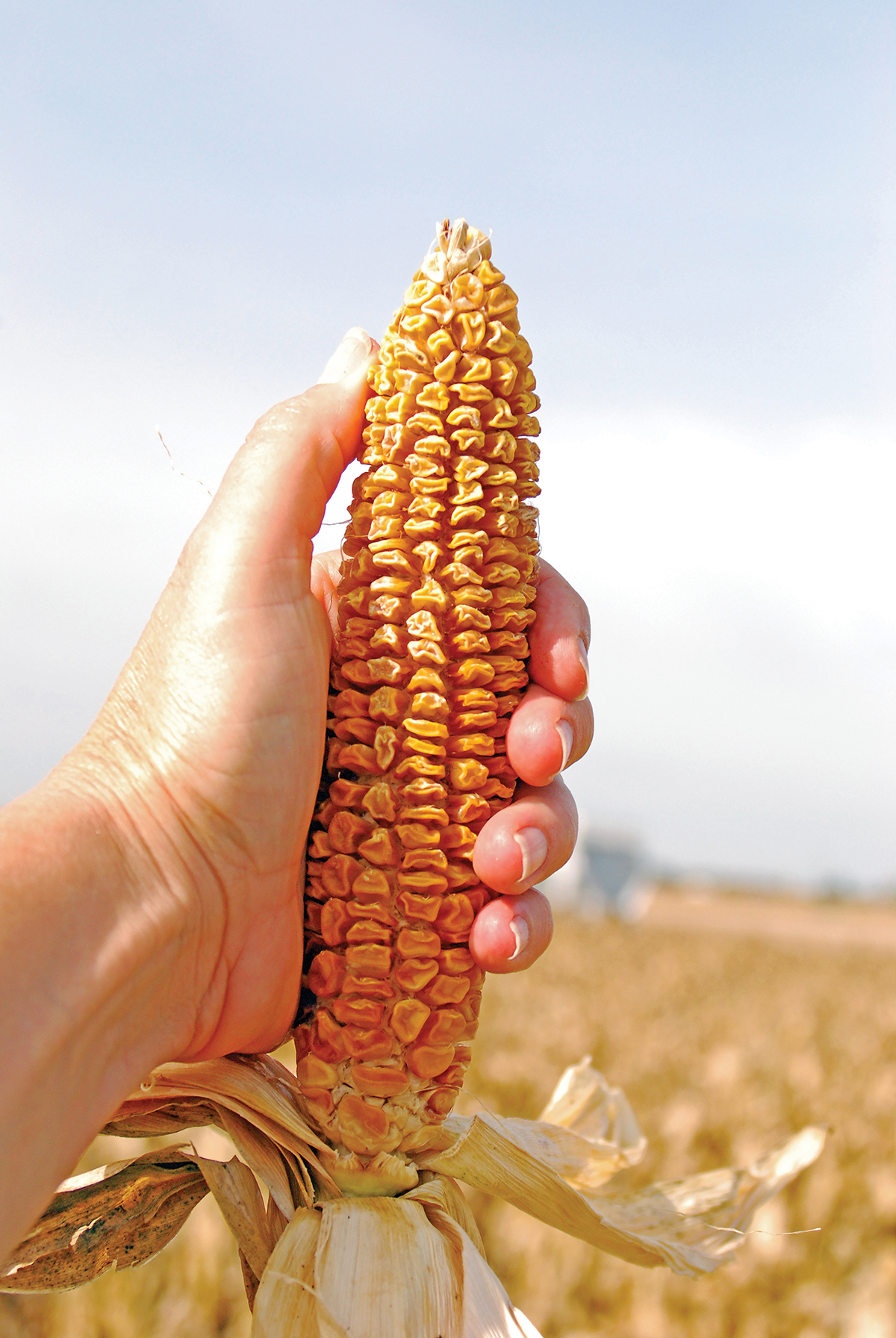
More technologies, including doubled haploids and molecular markers, will speed up the introduction of new traits. Batt expects early and main-season hybrids in all colors and genotypes, with strong eating quality, adaptability and disease packages.
“The pipeline is full,” Batt said. “In general, I believe that we haven’t even come close to maximizing yield in the field while at the same time providing consumer-oriented traits like flavor and nutritional components. It’s hard to hold back my excitement sometimes given the nature of our genetic stock and the new materials we have coming.”
Werner also sees demand rising. “I see the overall sweet corn market continuing to expand. People love roadside markets, they’re selling more sweet corn, but the shippers are doing very well also because of the amount of work going into the holding ability on and off the stalk.”
With better breeding, stronger traits, and improved adaptability, sweet corn field management remains at the center of how growers meet consumer demand while increasing efficiency and sustainability.
— Doug Ohlemeier