

UF/IFAS researchers identify gene that could boost broccoli nutrition
A gene that dramatically increases glucosinolate production could eventually improve the nutritional value of broccoli, cabbage, kale and other brassicas.





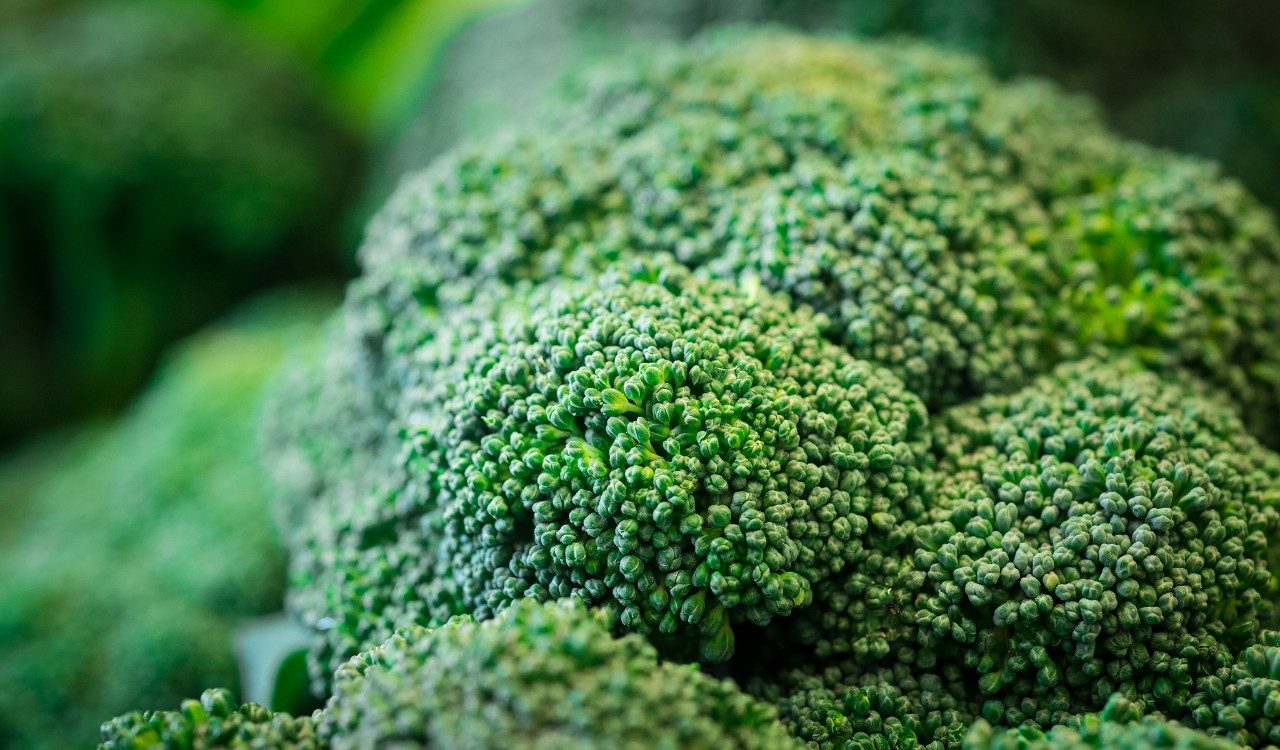
Researchers at the UF Institute of Food and Agricultural Sciences (UF/IFAS) have identified a way to increase the level of health-boosting compounds in broccoli, kale, cabbage, Brussels sprouts and related vegetables.

The discovery, published in Science Advances, could open the door to enhancing the nutrition of Americans’ staple vegetables.
“Some people are very interested in their health, and they may choose a specialized broccoli or a specialized cabbage to address a nutritional goal, so it’s very well aligned with the concept of Food is Medicine,” said Jeongim Kim, associate professor, UF/IFAS Department of Horticultural Sciences. “Instead of taking a pill, maybe you take a scoop of broccoli powder.”
The research is still in its early stages and is not quite ready for a grocery store near you.
In the study, researchers identified a specific gene in Arabidopsis, a model plant related to broccoli, that is responsible for increasing glucosinolates in crops like broccoli.
Glucosinolates are natural compounds that have anti-inflammatory, antioxidant and cancer-fighting properties.
Through genetic studies, researchers found that changing just one letter in the DNA of Arabidopsis can increase the amount of glucosinolates by about 20 times, Kim said.
Arabidopsis is part of the Brassicaceae family, which also includes broccoli, kale, cabbage, Brussels sprouts, collard greens, cauliflower and other cruciferous vegetables.

The next steps for this research would be to use CRISPR to test if the same approach works in broccoli and cabbage, she said. She would also like to explore the potential of increasing the compounds in microgreens, which can be grown in greenhouses year-round.
Kim said plants use glucosinolates as a defense mechanism, but when eaten, they can help the body fight disease and inflammation. It has a distinctive mustard taste, so evaluating flavor will likely be part of future studies to make sure the super-charged broccoli doesn’t taste too spicy.
“It’s our hope that we can give people more options to get even more nutrition from the foods they already eat as part of a healthy diet,” Kim said.
Food is Medicine is the idea that foods can be used to prevent or treat diseases, alongside traditional methods, especially for diet-related illnesses such as diabetes and heart disease.
The study was funded in part by the National Science Foundation’s Faculty Early Career Development Program.