







Jun 11, 2025Five state coalition demands USDA AEWR transparency
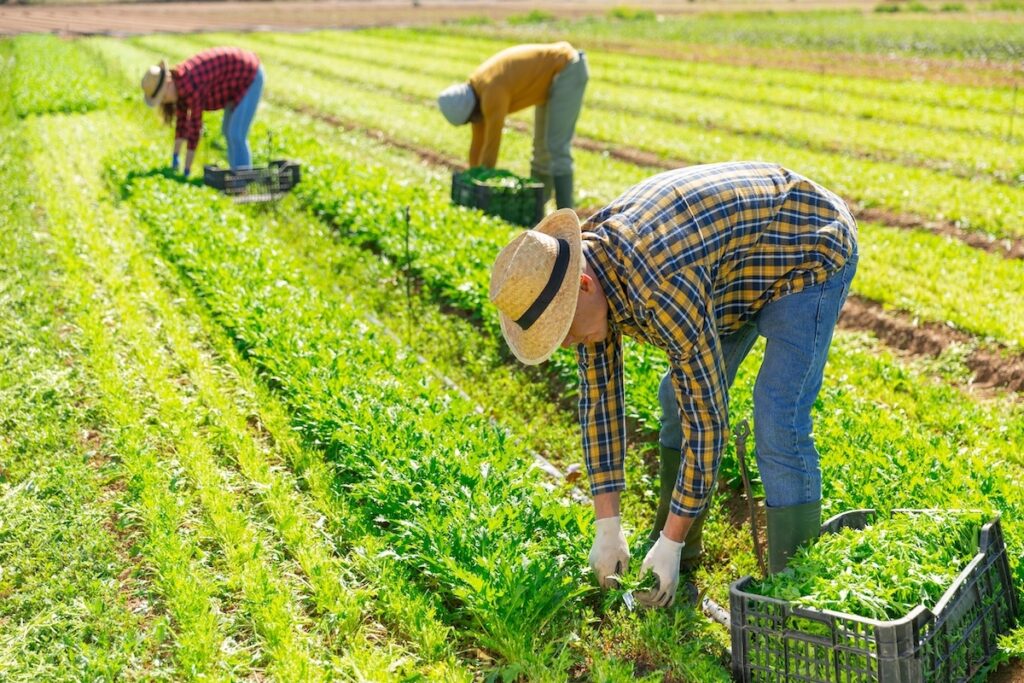
Five states and 30 grower and produce organizations have organized to press the USDA on how it calculates the Adverse Effect Wage Rate (AEWR), which determines minimum wages under the H-2A agricultural guest-worker program.
The Georgia Fruit and Vegetable Growers Association (GFVGA) and the NC Sweetpotato Commission (NCSC) assembled a five-state, 30-organization coalition.
 The group represents a diverse collection of crops, including eight advocacy groups. The group’s with the unified mission is filing a Freedom of Information Act (FOIA) request with the USDA to obtain detailed information about how USDA calculates the AEWR rates, which determines minimum wages under the H-2A agricultural guest-worker program, according to a news release.
The coalition, which includes the International Fresh Produce Association and the National Council of Agricultural Employers (NCAE), will file a Freedom of Information Act request with the USDA, according to a June 10 news release.
 Backing this request is forthcoming research by Blake Brown, the Hugh C Kiger Professor Emeritus at NC State University. Brown’s research will indicate that AEWR calculations have deleterious consequences for farmers, consumers and American workers. The research is expected to be available in mid-June, according to the release.
Additionally, data reflects that due to higher prices, American consumers are eating less fruits and vegetables, leading to increased healthcare costs because of a poorly balanced diet. The USDA provided data in 2023 that the U.S. is now a net importer of food. While this contributes to several problems, it leaves the U.S. even more vulnerable and exposed when it comes to national security, according to the release.

“The current trajectory of AEWR increases is simply unsustainable for specialty crop growers in Georgia and across the Southeast,” Chris Butts, GFVGA executive vice president, said in the release. “Without immediate legislative reform and greater transparency in how these wage rates are set, we risk losing farms, jobs and our ability to feed the nation. We must act now to ensure a fair, data-driven wage process that protects both our farmworkers and the future of U.S. agriculture.”
Earlier this month, a federal district judge set a date to hear oral arguments in an ongoing court case challenging the legality of AEWR. Oral arguments on the NCAE’s motion for a summary judgment on the AEWR rule are scheduled for July 1 in a Tampa, Florida federal district court.

The coalition warns that the USDA’s current AEWR methodology contributes to a self-compounding wage inflation cycle, undermining the economic viability of U.S. agriculture, posing growing risks to national food security, increasing American dependence on imported food and threatening the stability of rural communities.
“The sharp increase in AEWR rates is putting North Carolina sweet potato farms — and the entire state’s agricultural economy — at risk,” Michelle Grainger, NCSC executive director, said in the release. “Sweet potatoes are a labor-intensive crop, and due to skin sensitivity, sweet potatoes must be hand harvested. As labor costs surge beyond inflation, many growers are facing reduced access to essential workers, threatening a substantial reduction in acres produced, timely harvests and ultimately leading to significant revenue losses.”
Coalition members include:
- Alabama Fruit and Vegetable Growers Association
- Georgia Agribusiness Council
- Georgia Berry Exchange
- Georgia Farm Bureau
- Georgia Fruit & Vegetable Growers Association
- Georgia Watermelon Association
- International Fresh Produce Association
- Michigan Asparagus Association
- National Council of Agricultural Employers
- North Carolina Farm Bureau
- North Carolina Growers Association
- North Carolina Strawberry Association
- North Carolina Sweetpotato Commission
- North Carolina Tomato Growers Association
- North Carolina Vegetable Growers Association
- North Carolina Watermelon Association
- South Carolina Farm Bureau
 Each participating organization is engaging its stakeholders, press contacts and state congressional delegations to advocate for an accountable, fair and economically sustainable wage-setting process that promotes the sustainability and future of American agriculture, according to the release.
The coalition is encouraging organizations and stakeholders facing similar burdens from rapidly rising AEWR rates to consider sharing their experiences and concerns with local and state representatives. A unified understanding of the impact across agricultural sectors will help inform a more balanced and transparent wage-setting process, one that supports both the fair treatment of farmworkers and the continued viability of U.S. farms. Addressing this issue collaboratively is essential to sustaining rural economies, safeguarding national food security and ensuring the lo