







Feb 25, 2026Powerful partnership: How Jamaica’s H-2 model withstood Hurricane Melissa
When Hurricane Melissa struck Jamaica in late-October of 2025, the impact was swift and severe. Homes were destroyed, communities were flattened and the livelihoods of thousands were disrupted.
For a period, the island’s airports were closed, cutting off international travel when many seasonal agricultural contracts were ending and workers needed to return to Jamaica.
For thousands of Jamaican farmworkers already in the United States, the situation raised immediate concerns. How would they remain compliant with U.S. immigration requirements and avoid overstaying their visas?
What happened next?
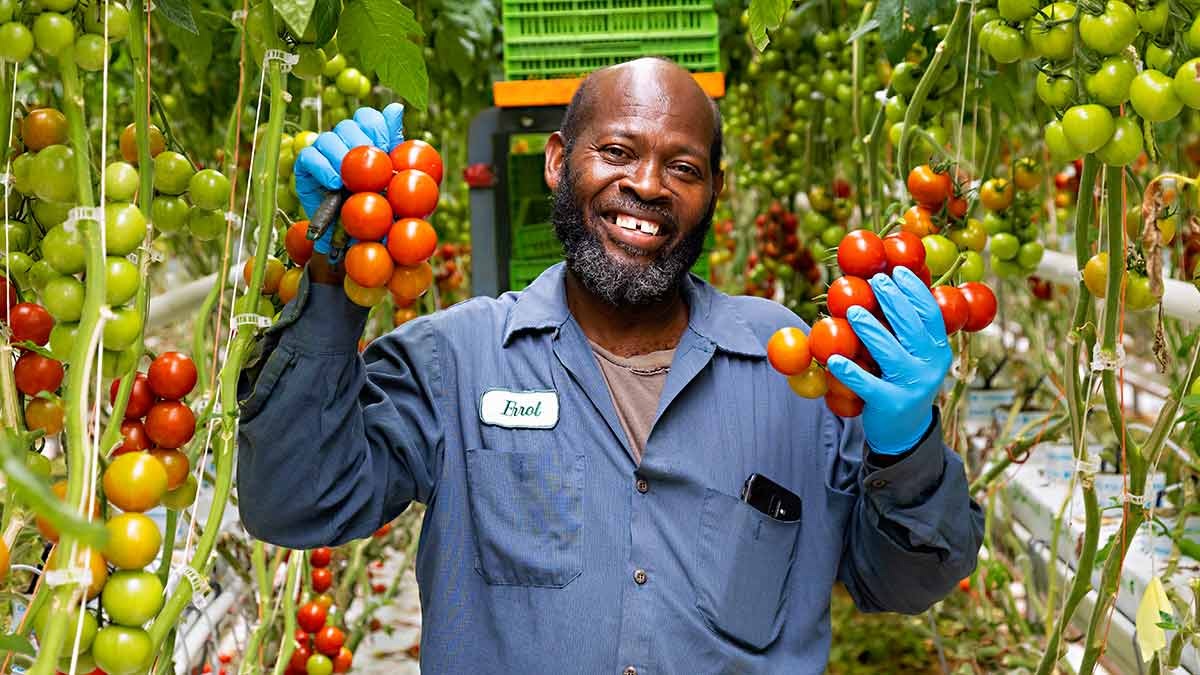
In the days following the storm, employers and workers did not turn to private recruiters or third-party agents. They contacted Jamaica’s Liaison Officers, according to Karlene Brown, Jamaica Central Labour Organisation (JCLO) vice consul and liason officer. Brown is based in Washington DC at the Jamaican Embassy.
Across multiple U.S. states, Brown and her liaison officer counterparts fielded calls and emails from farms and worksites, documented travel disruptions and advised employers on compliance steps.
Officers coordinated directly with the U.S. Government, while industry partners, including the National Council of Agricultural Employers (NCAE), also engaged federal authorities on behalf of workers.
The goal was straightforward: ensure that no worker inadvertently fell out of compliance with U.S. immigration requirements because airport closures made travel impossible. That coordination helped protect workers.
It also, according to Brown, highlighted an important distinction for U.S. growers: Jamaica does not simply supply labor. It is a model for true partnership.
That model is administered through the JCLO, which is a Jamaica-funded, in-country support structure that is unique to the small island nation. According to Brown, no other country provides that kind of support to its H-2A and H-2B workers in the US.
How do JCLO officers help farm workers and employers?
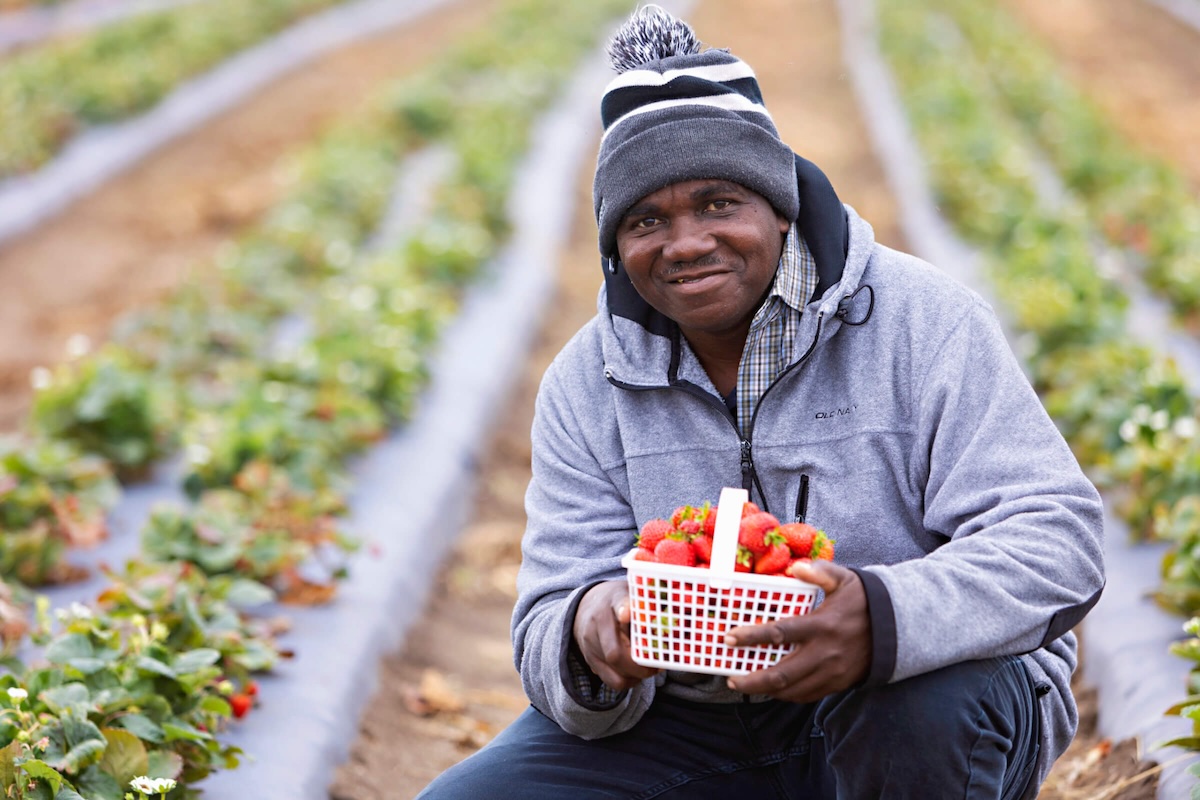
Liaison officers respond to emergencies, assist with coordinating healthcare and legal navigation, mediate workplace disputes and support workers. However, they are not immigration enforcement agents; their role is to support workers and farm employers.
“Other countries send workers. Jamaica sends a system,” said one Vermont-based farm
manager. “If there’s a problem, I know exactly who to call.”
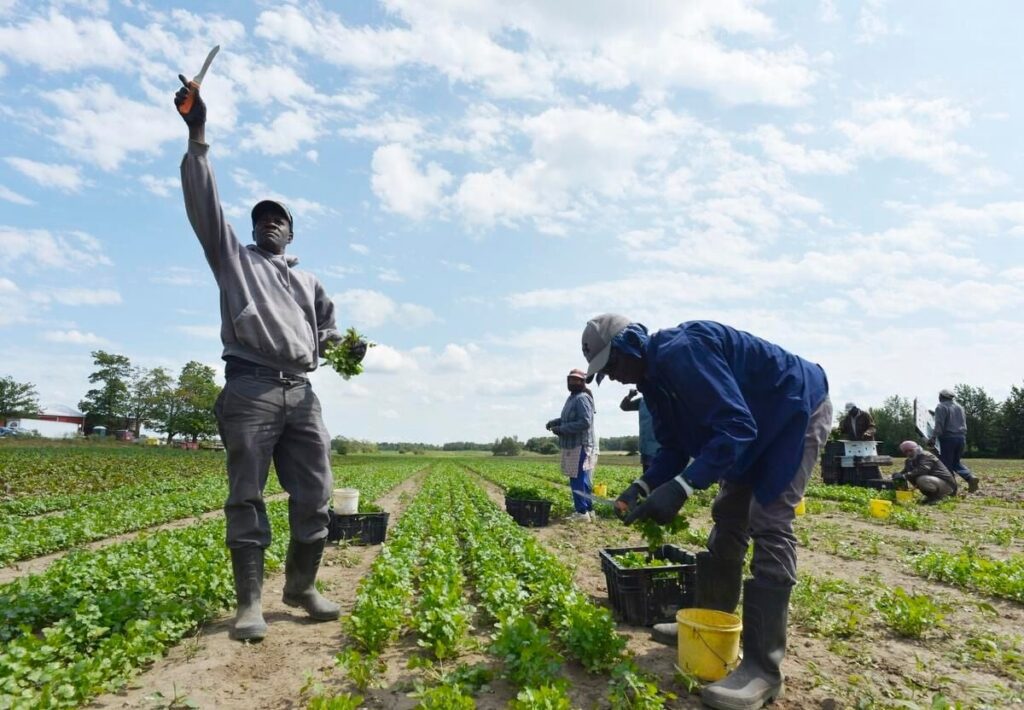
That predictability is not accidental. Jamaica has been sending English-speaking farm workers to the United States for more than 80 years, and it is that depth of experience that enables streamlined operations, refined support structures, and effective coordination when challenges arise.
As Jamaica rebuilds after Hurricane Melissa, the country is widening the range of skills it offers through the H-2A program, aligning existing expertise with recovery needs at home while meeting evolving labor demands on U.S. farms.
“We want employers to know that you don’t have to go all the way to South Africa for
English-speaking workers. Jamaica has equipment operators, mechanics and
greenhouse workers as well as tractor, truck and forklift drivers,” said Colette Roberts Risden, permanent secretary for Jamaica’s Overseas Employment Programme.
How can I learn more about JCLO and Jamaican H-2A workers?
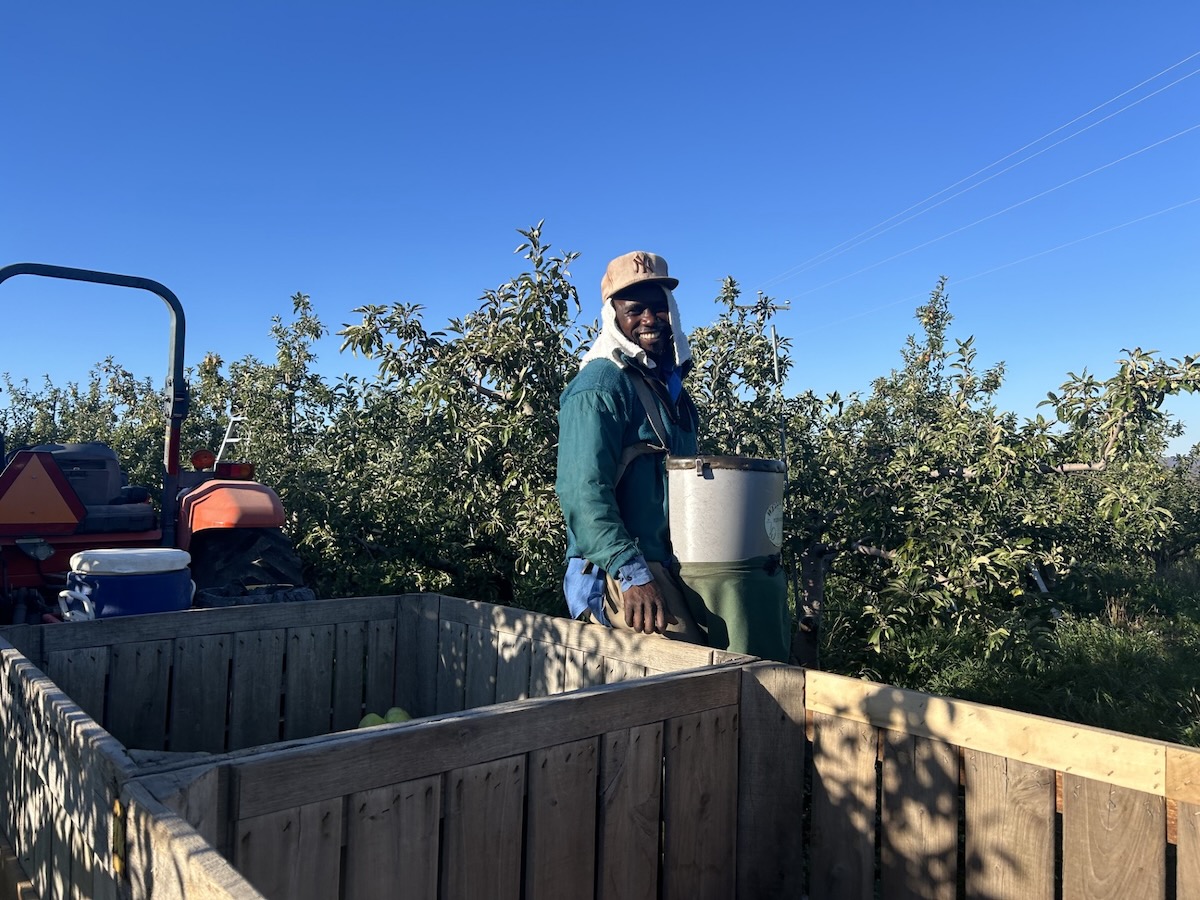
The JCLO says it is planning a farm tour for U.S. employers and agents in the coming months to provide a firsthand look at Jamaica’s agricultural landscape and to highlight the depth of experience that exists in the country beyond traditional hand-harvesting crews.
Participants will have the chance to see Jamaican workers engaged across agricultural and horticultural production, including equipment operation, irrigation, post-harvest logistics and quality control.
The tour will also visit the country’s agricultural schools, which produce industry-ready graduates with practical experience.
By aligning employer needs with skills that already exist in Jamaica, the program supports U.S. businesses while expanding seasonal employment opportunities.
Hurricane Melissa did not simply test Jamaica’s overseas seasonal employment model. It showed how well-structured, experience-driven approach employment can serve as a tool for growth and recovery, protecting workers, reducing risk for employers, and keeping agricultural operations moving when conditions are anything but normal.
Learn more about Jamaican H-2A workers at www.jaclo.org
–Article submitted by Karlene Brown, Jamaica Central Labour Organisation (JCLO) vice consul and liason officer.
RELATED – Ag Labor Review: Finish the job on H-2A