







Feb 24, 2026Researchers unlock how plants regulate root growth
A pair of researchers with the Missouri University’s Bond Life Sciences Center are touting a recent discovery they say could “pave the way for [the breeding of] more resilient crops.”
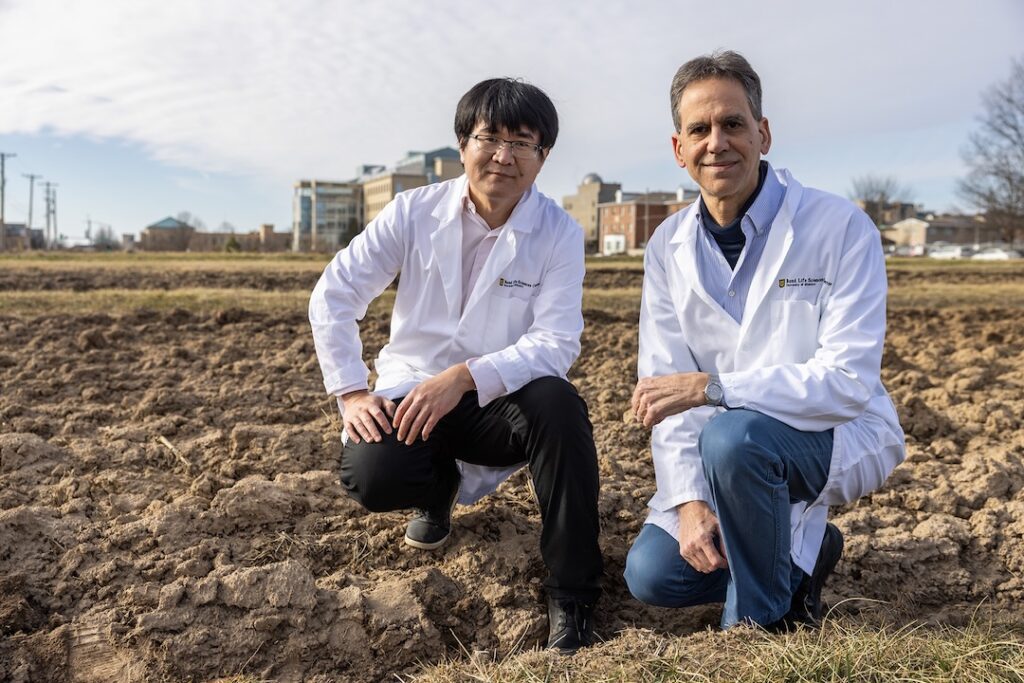
Walter Gassman and Jianbin Su have discovered a specific protein known as SRFR1, which plays a critical role in how deeply plant roots grow underground, according to a press release from the university. The duo also “unlocked a way to manipulate this protein to encourage longer root growth, a trait that can potentially help plants better withstand drought.”
“Depending on the environment, plants sometimes need a longer or shorter root, and we discovered that this protein helps regulate that outcome,”said Gassmann, director of the Bond Life Sciences Center and a professor in the College of Agriculture, Food and Natural Resources. “In times of drought, plants need longer roots to reach deeper into the soil in search of water or nutrients. Now that we have learned what this protein does, we can manipulate it to help plants thrive in various environments.”
Diving deeper
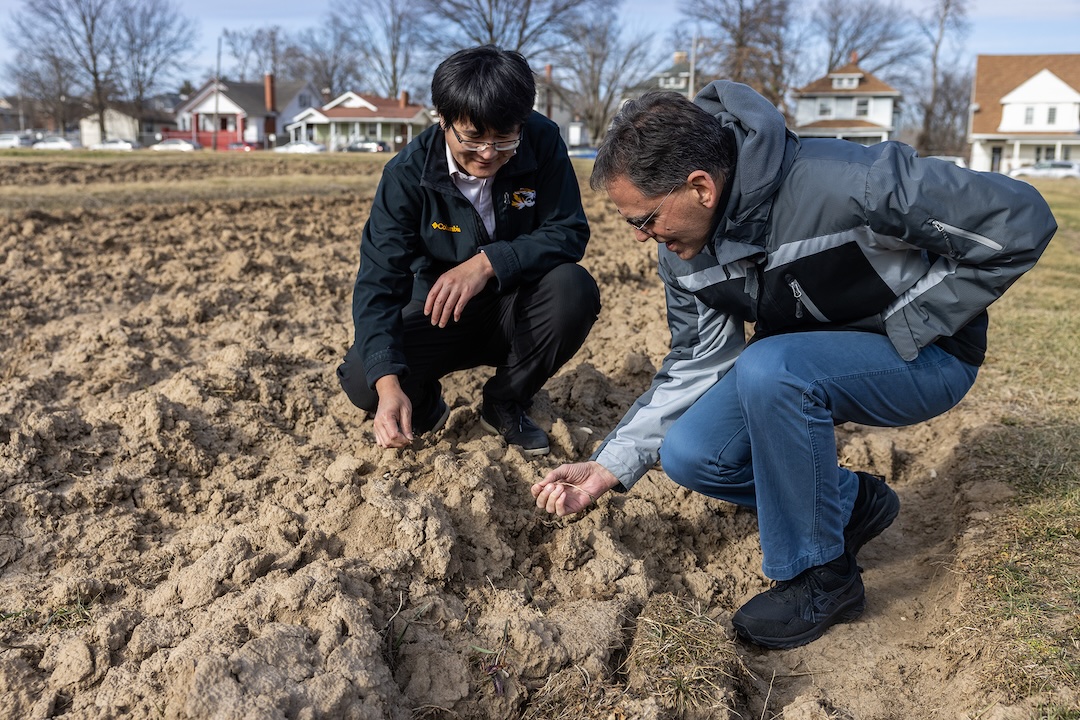
Gassmann and Su found the SRFR1 protein forms tiny, gel-like structures in a specific part of the outer root. These loose structures, called condensates, form naturally to help the root grow.
The researchers set out to genetically alter the protein to “super-charge” this condensation process, resulting in plants with longer roots.
Using an AI tool that predicts a protein’s structure, they identified which amino acids form bonds between two molecules of SRFR1. Armed with this knowledge, researchers hypothesized that replacing these amino acids with structurally and chemically different ones could boost the protein’s ability to condense. To test the idea, the team designed a synthetic piece of edited genetic code and combined it with the enzyme DNA polymerase in a test tube to generate new, modified DNA.
The new DNA was then inserted into a bacterium that helps transport the new DNA into a plant’s flowers so the new DNA becomes a permanent part of the plant’s seeds.
“Using Mizzou’s Advanced Light Microscopy Core, we could see that our genetically altered plants were forming more of these condensates in the outer root, resulting in even longer roots than the wild-type plant,” Gassmann said. “The bottom line is once we understand these organisms better, we can design, breed or change them in a way that improves agriculture.”
The study, “Polymerization-mediated SRFR1 condensation in upper lateral root cap cells regulates root growth,” was published in The Plant Cell.